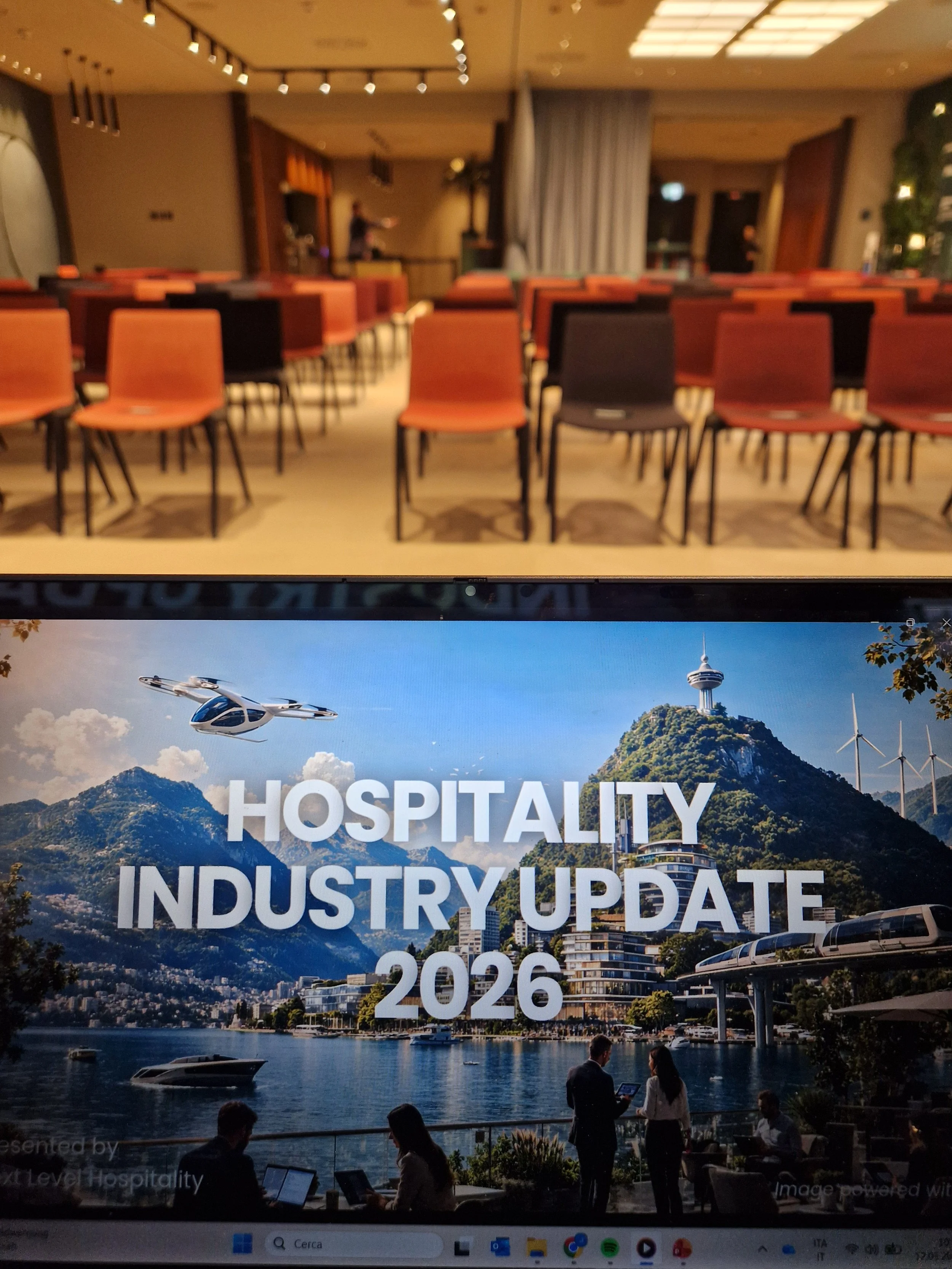
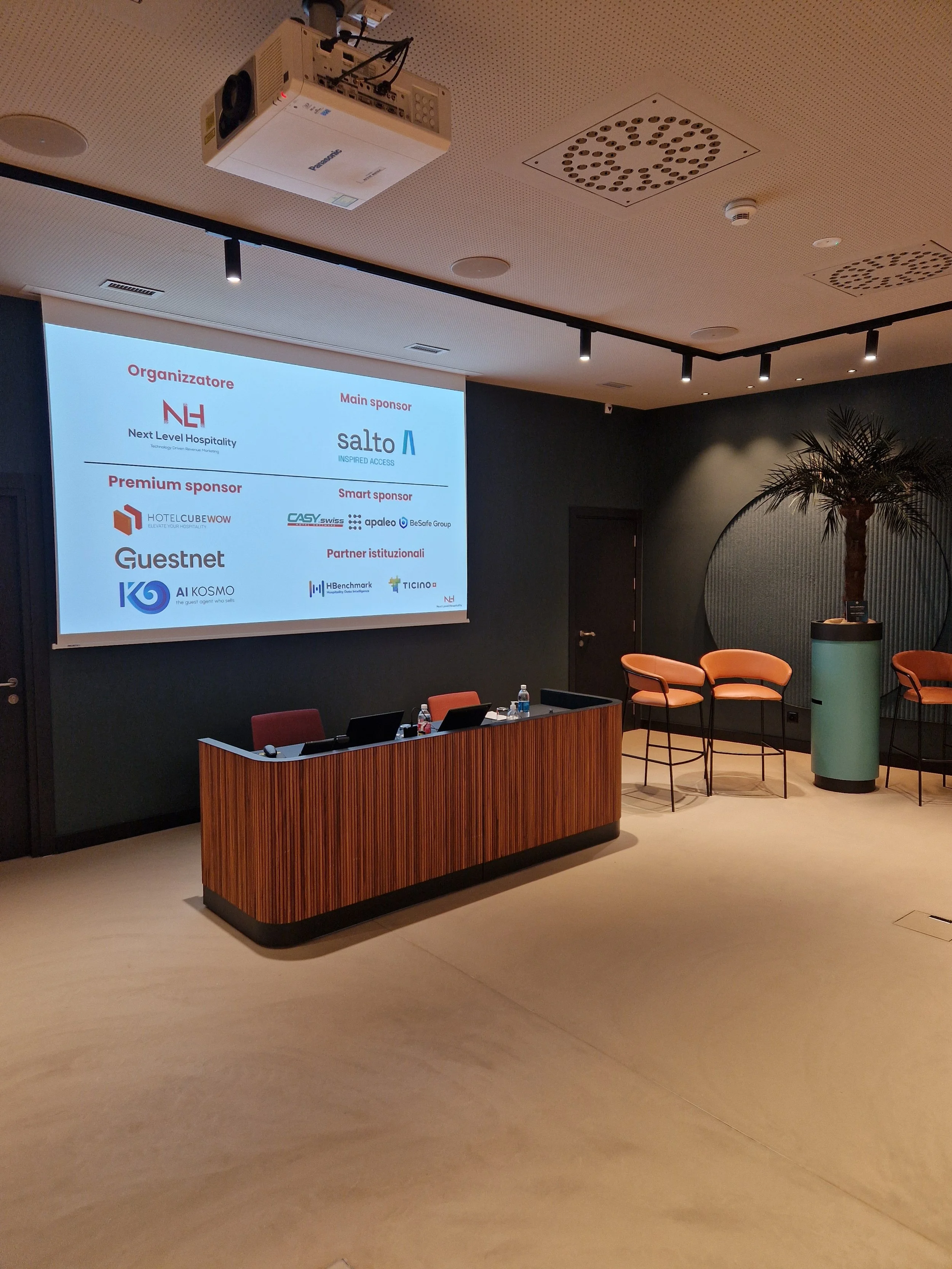
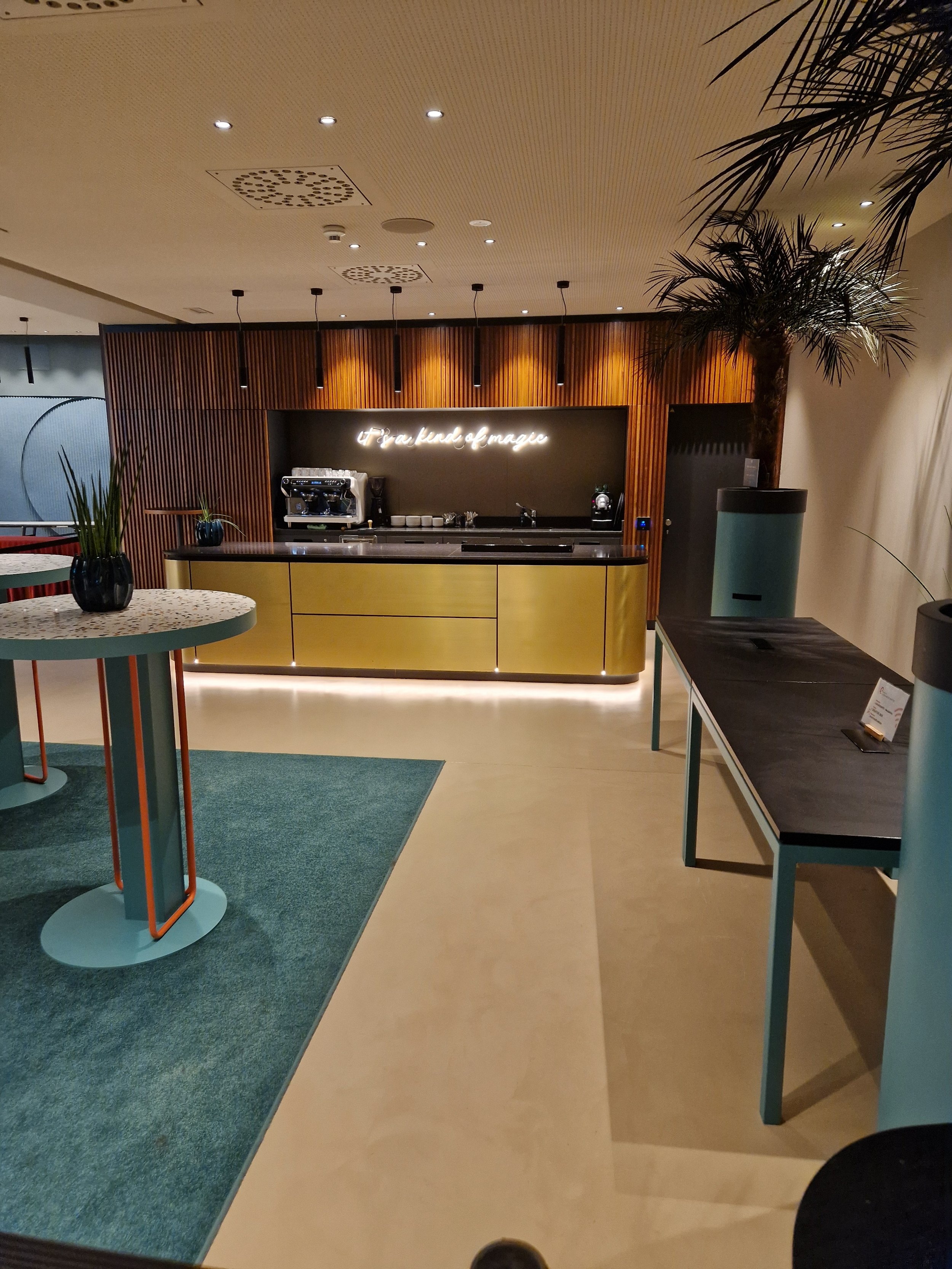
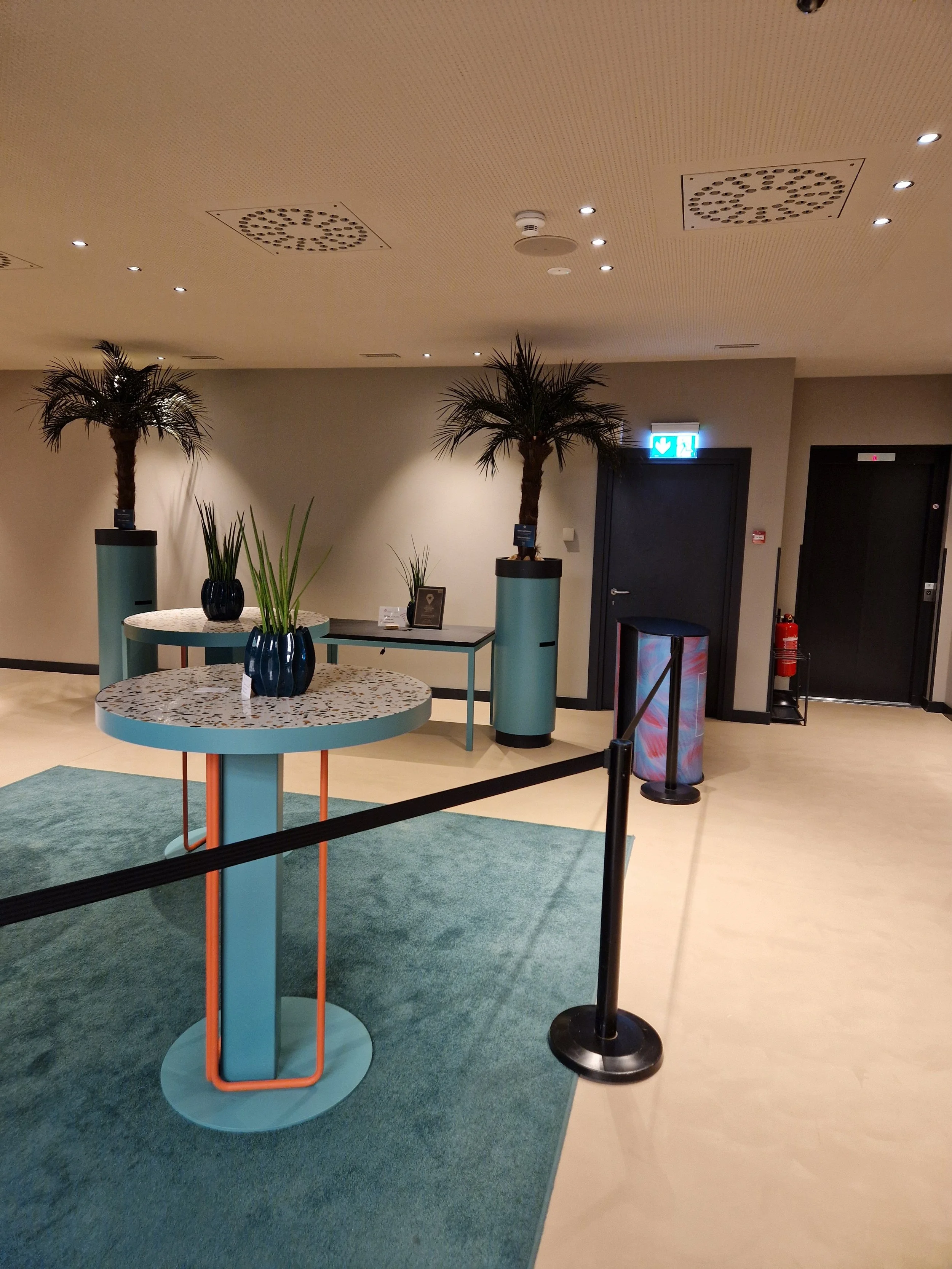
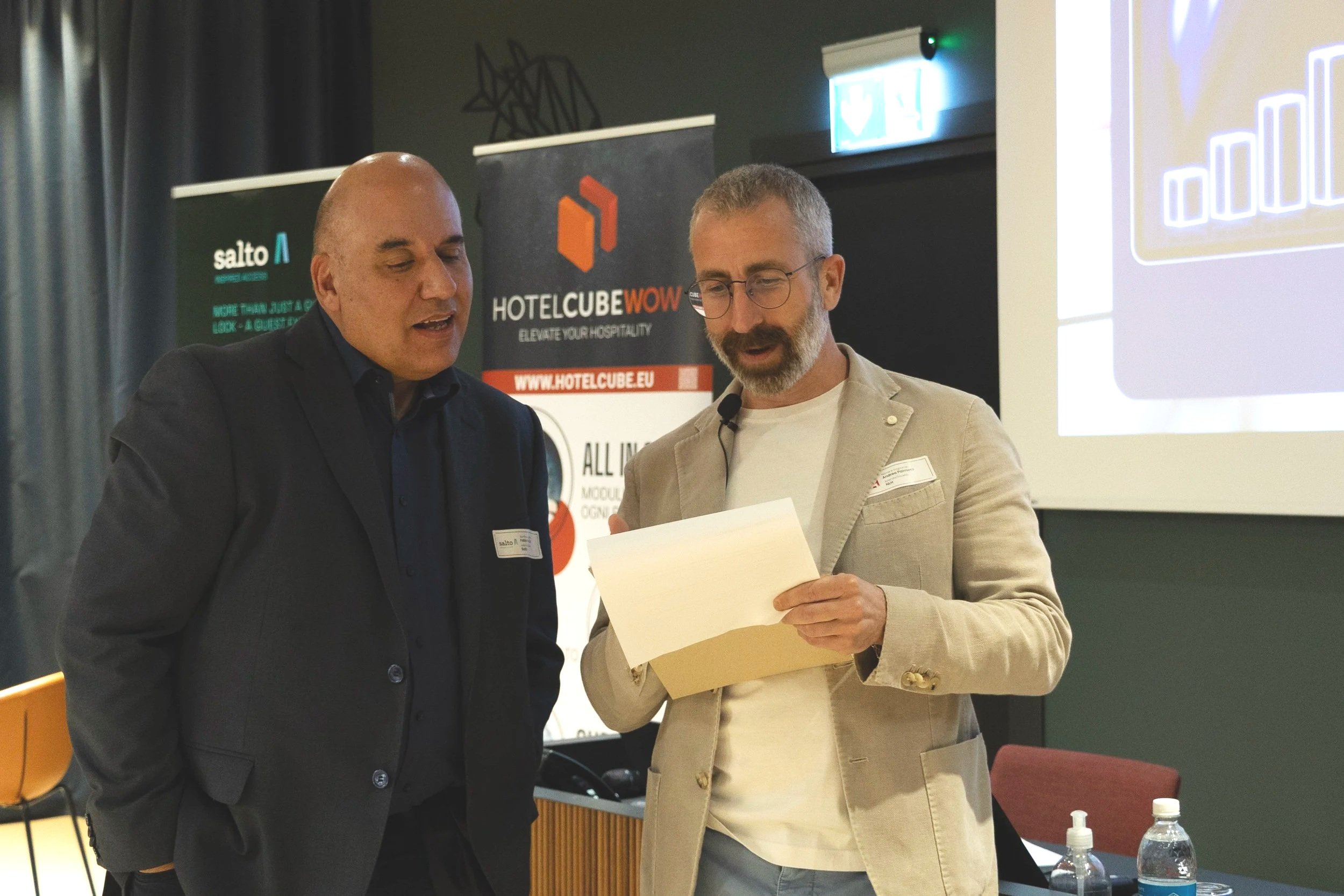
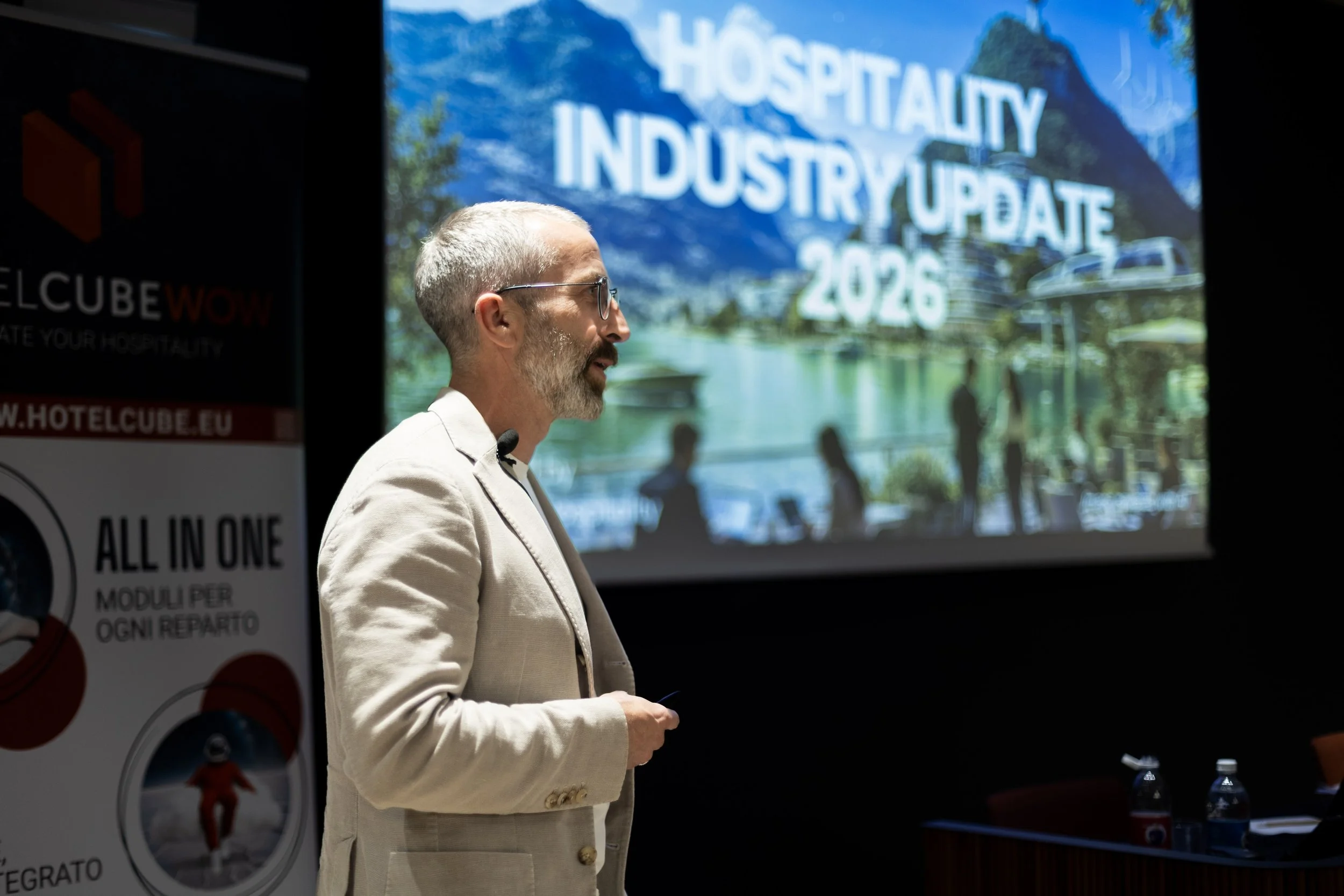
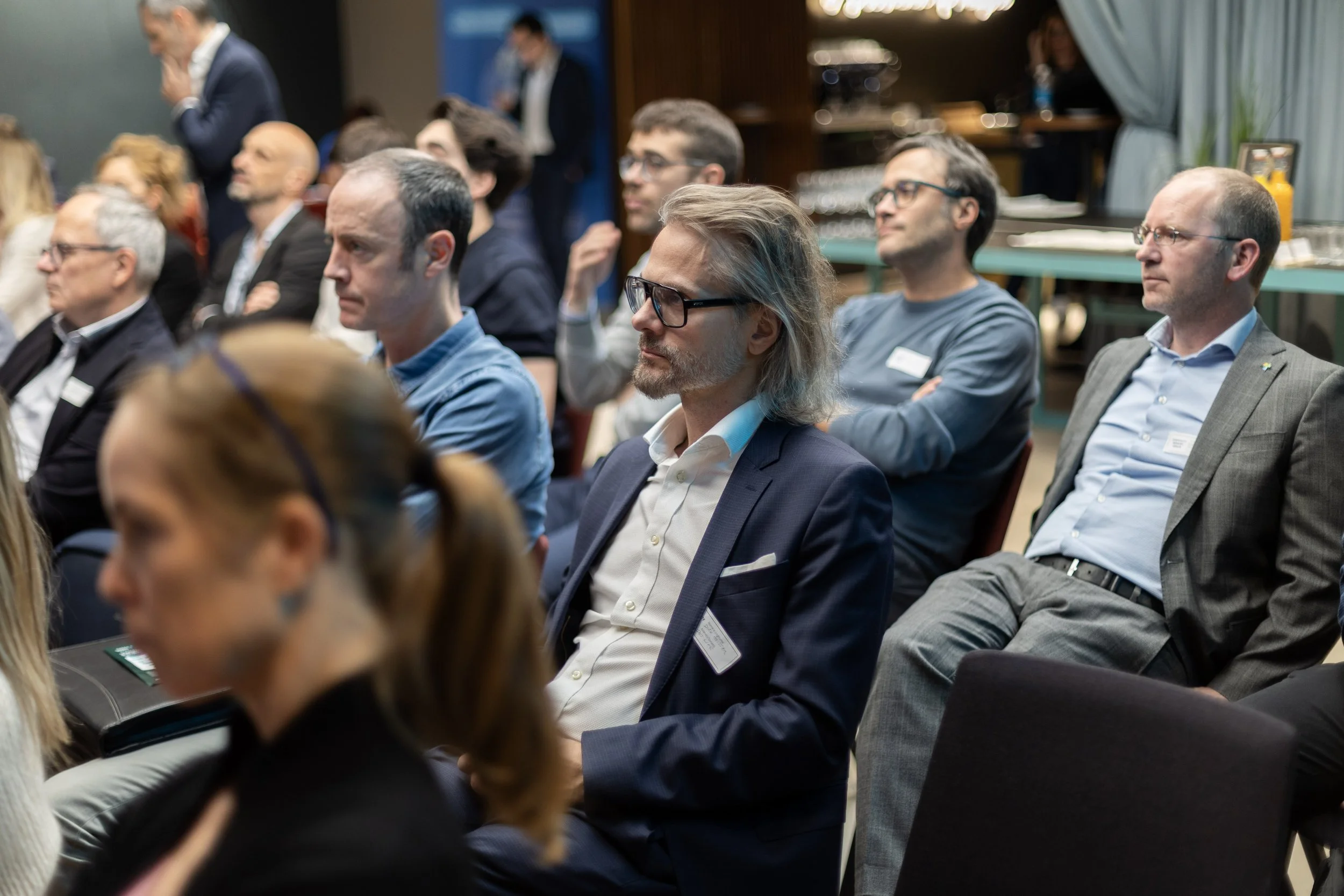
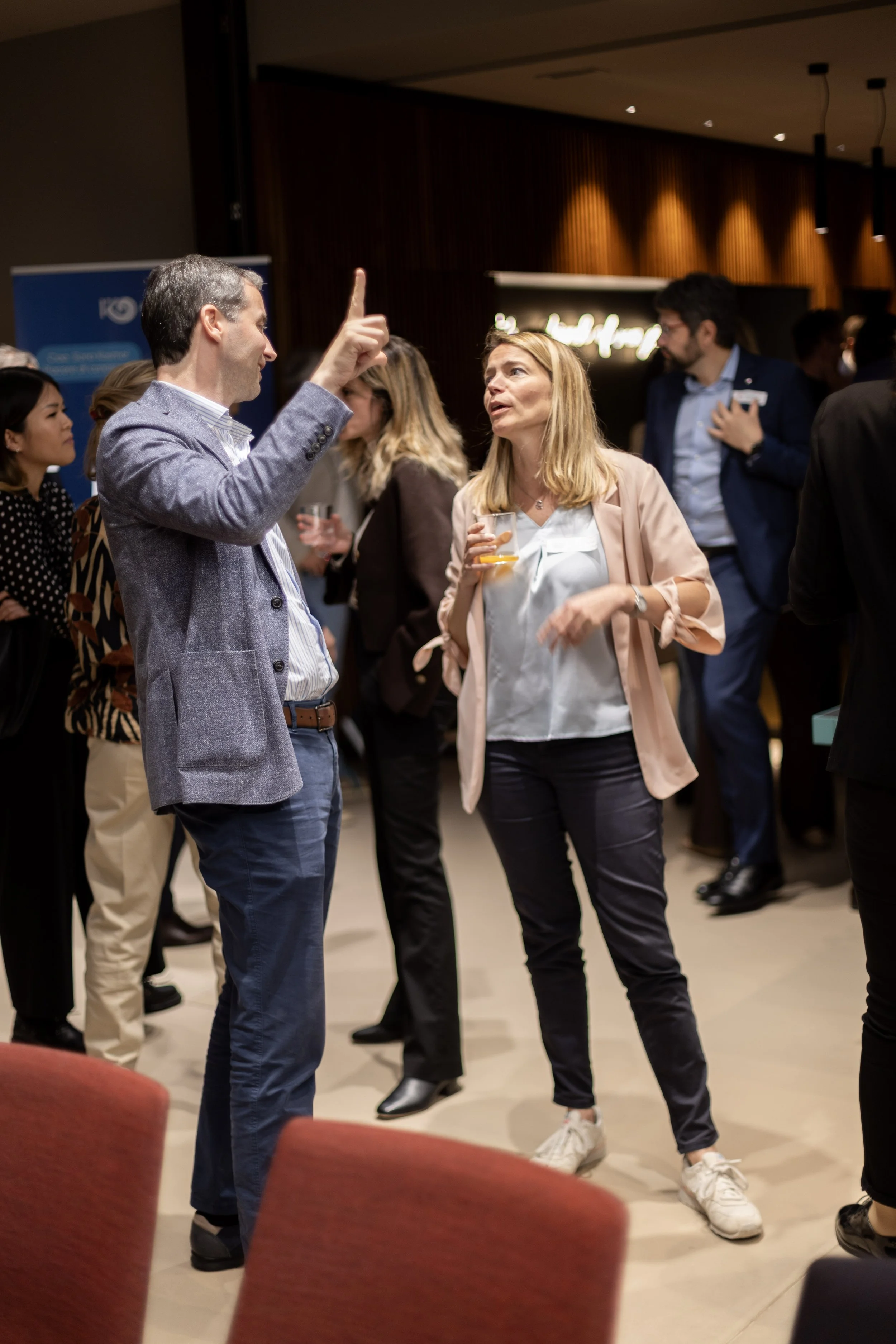
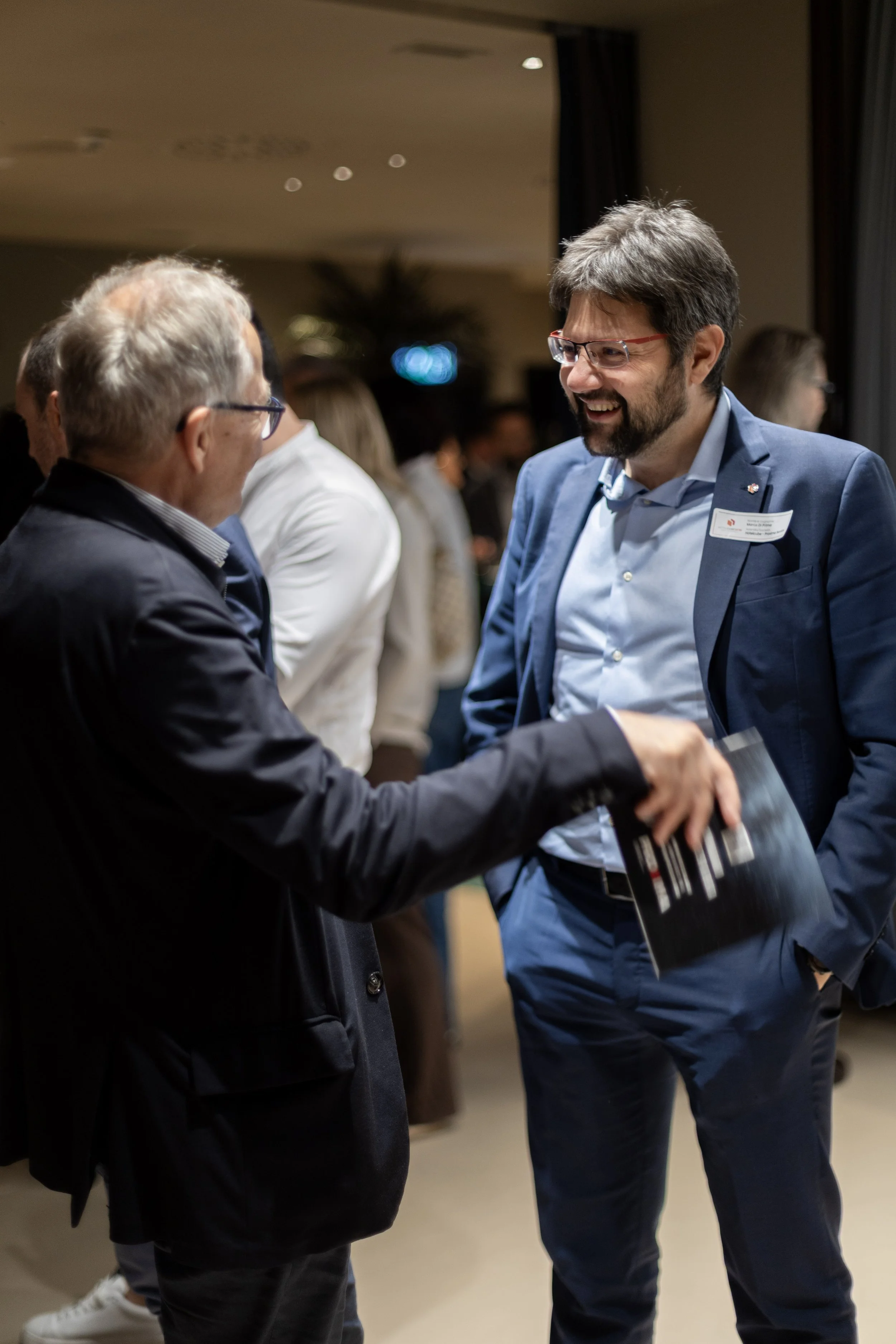
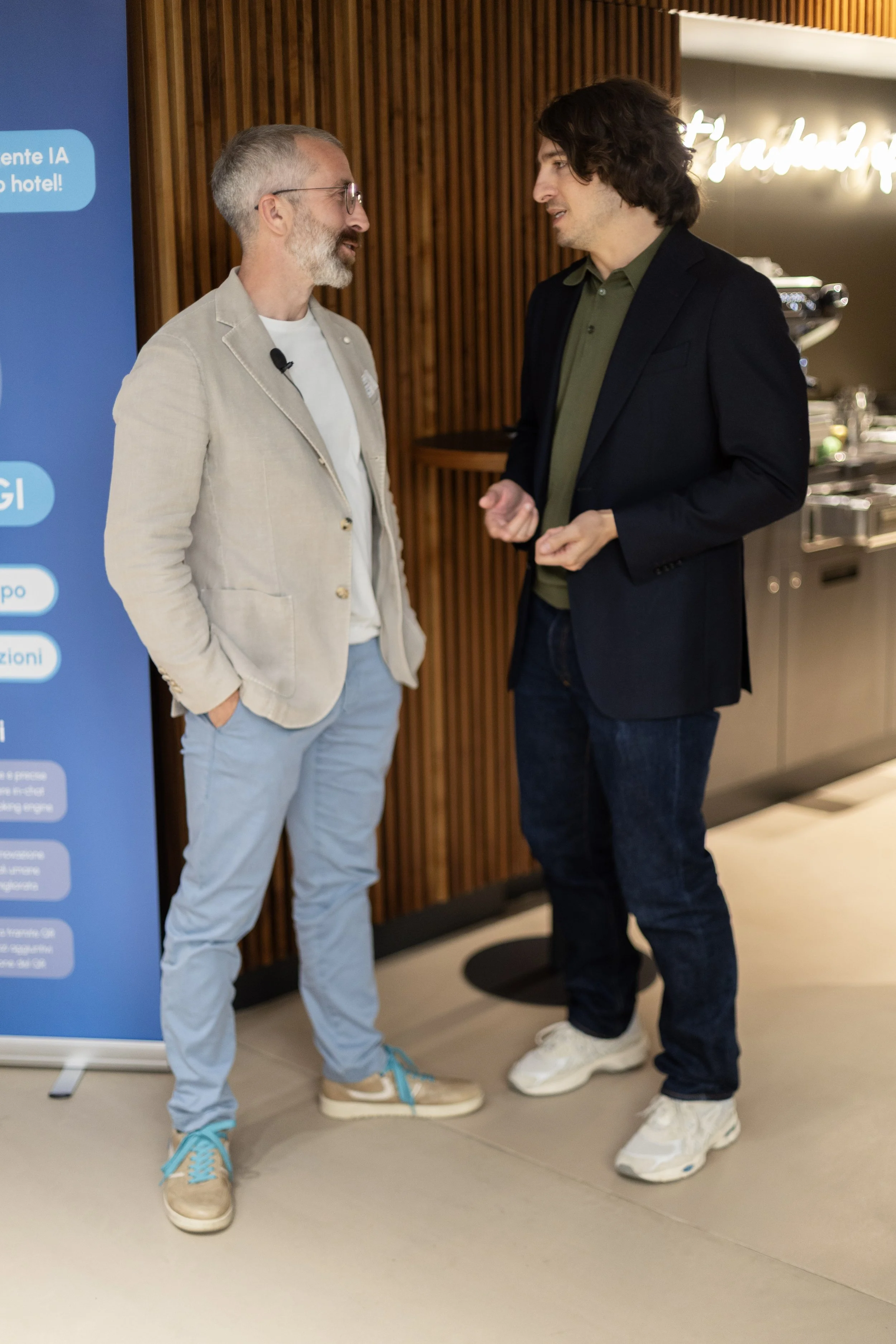
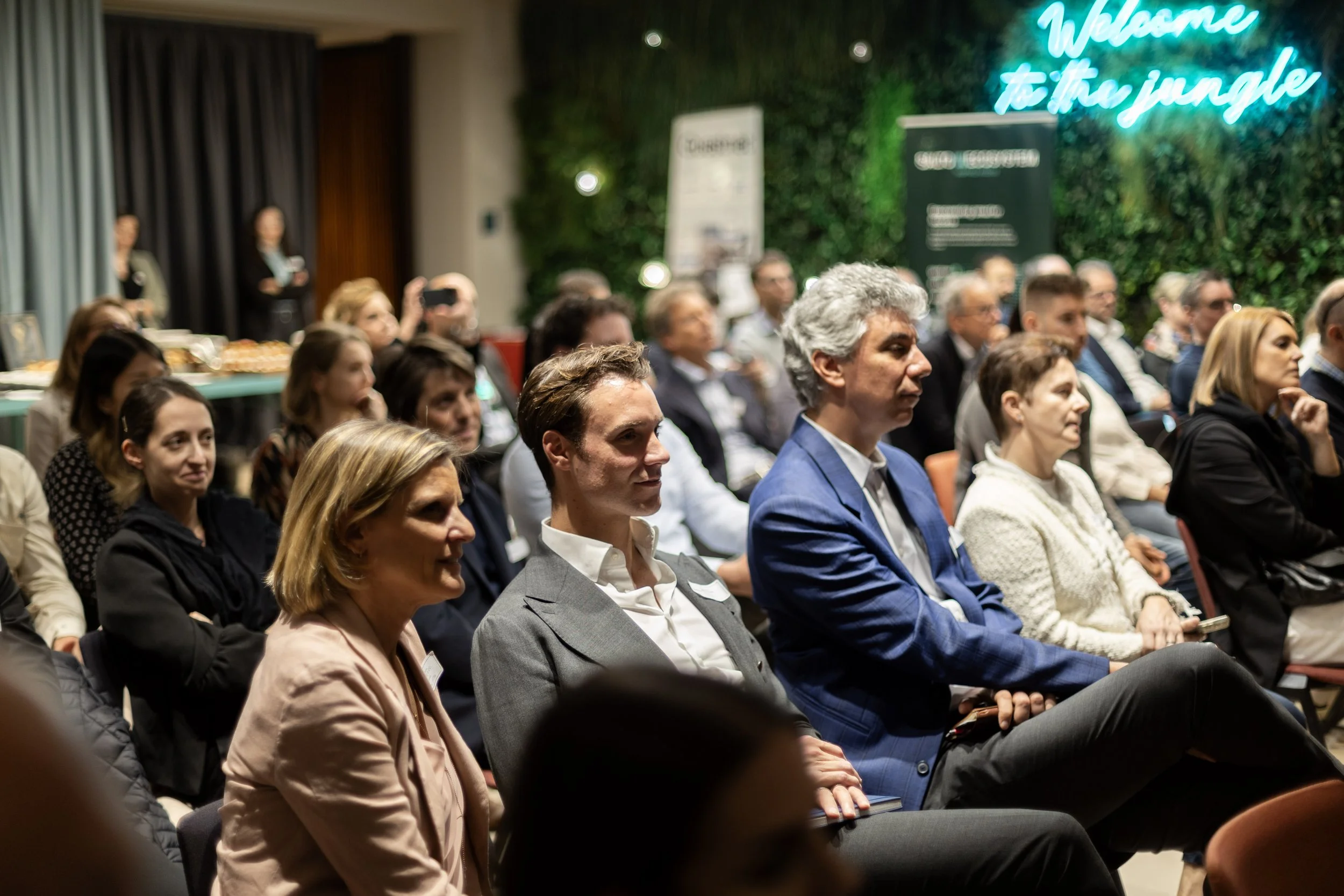
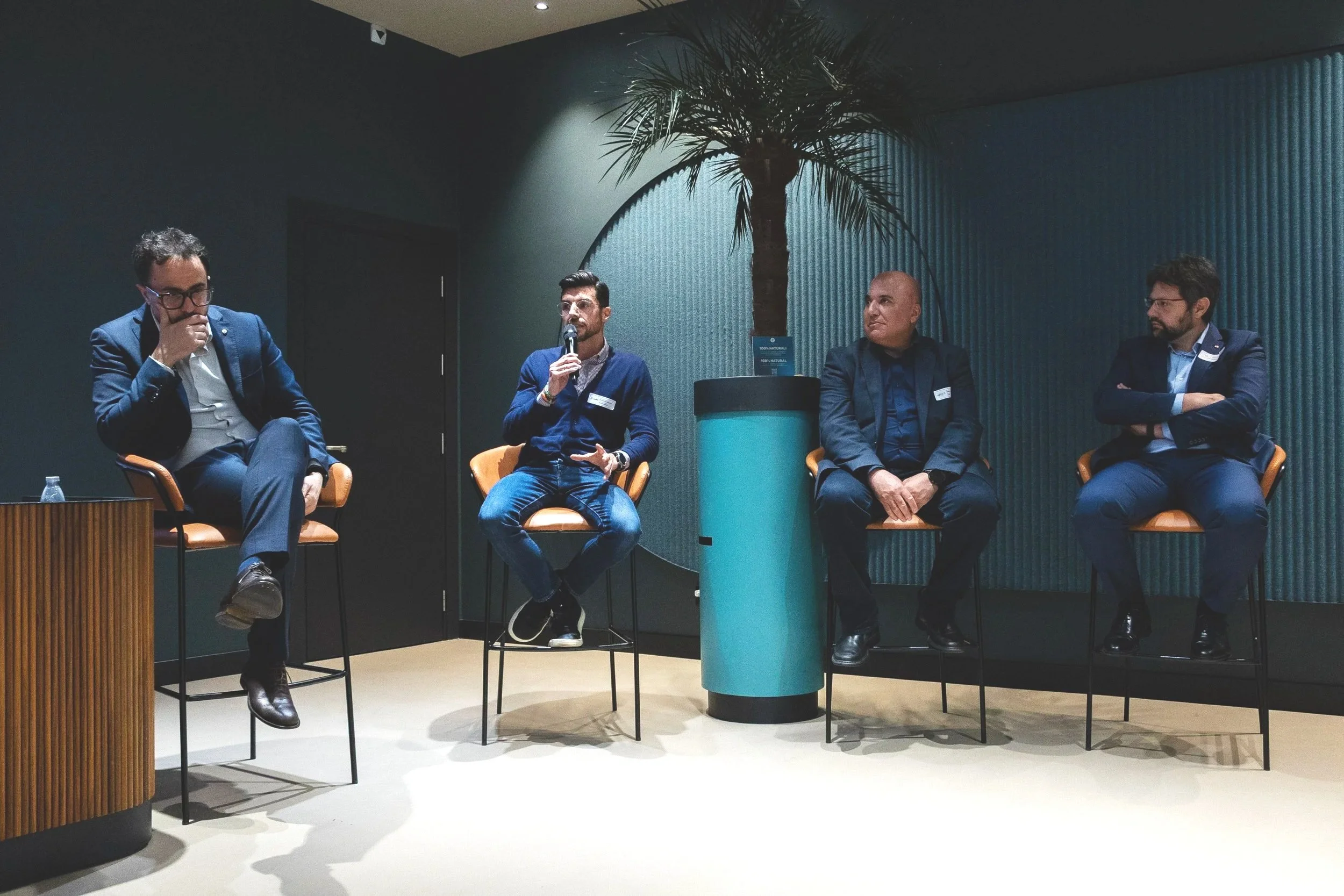
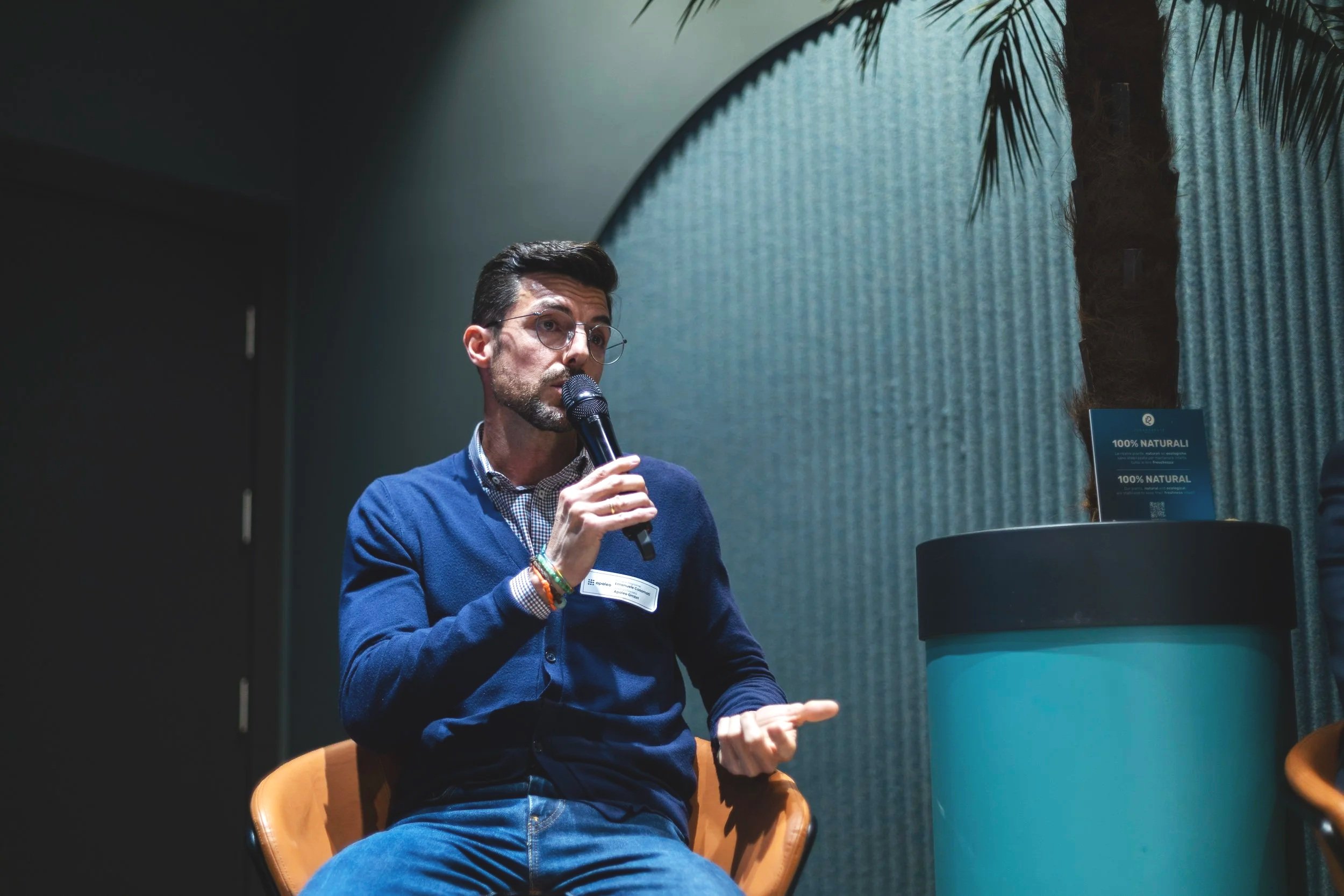
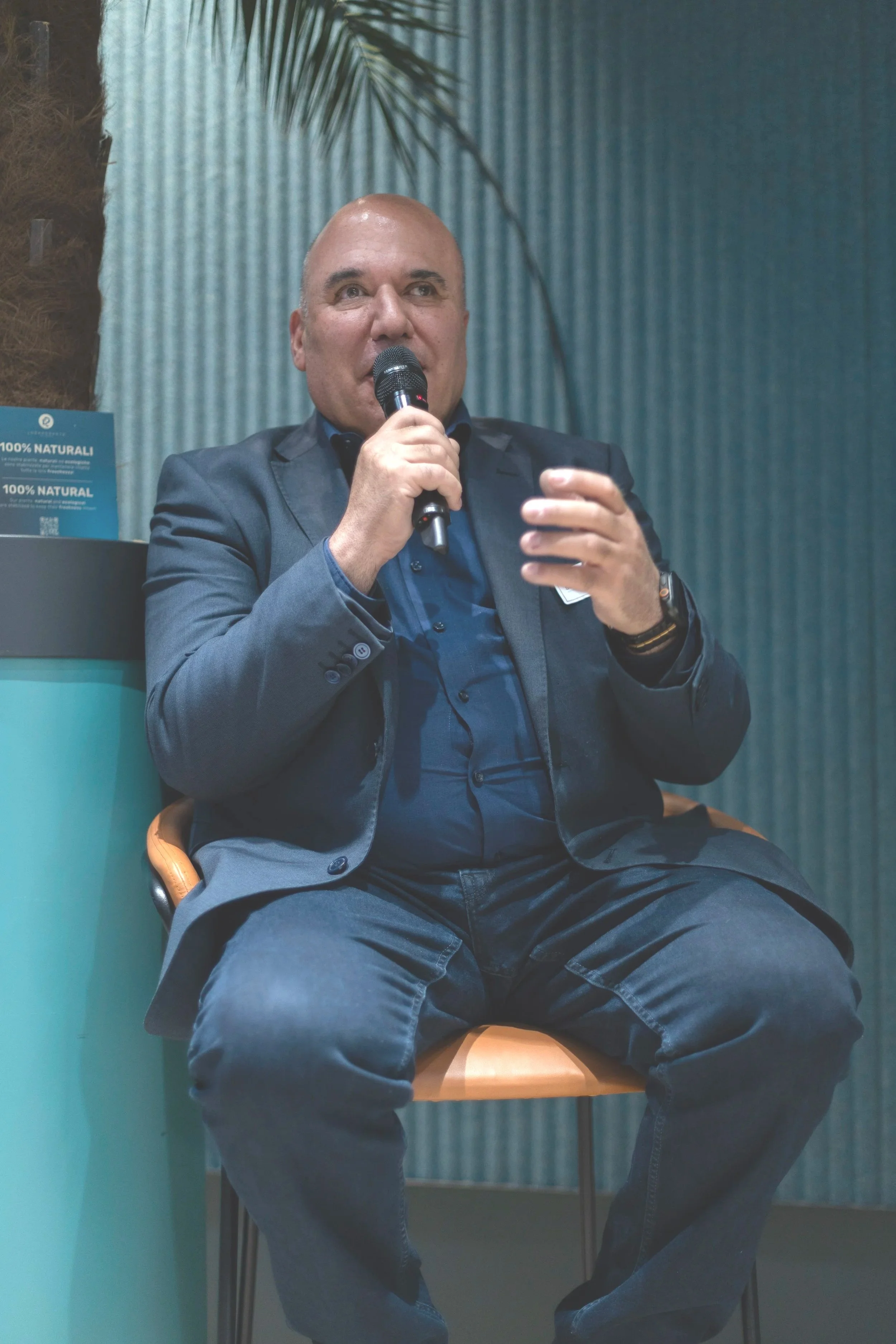
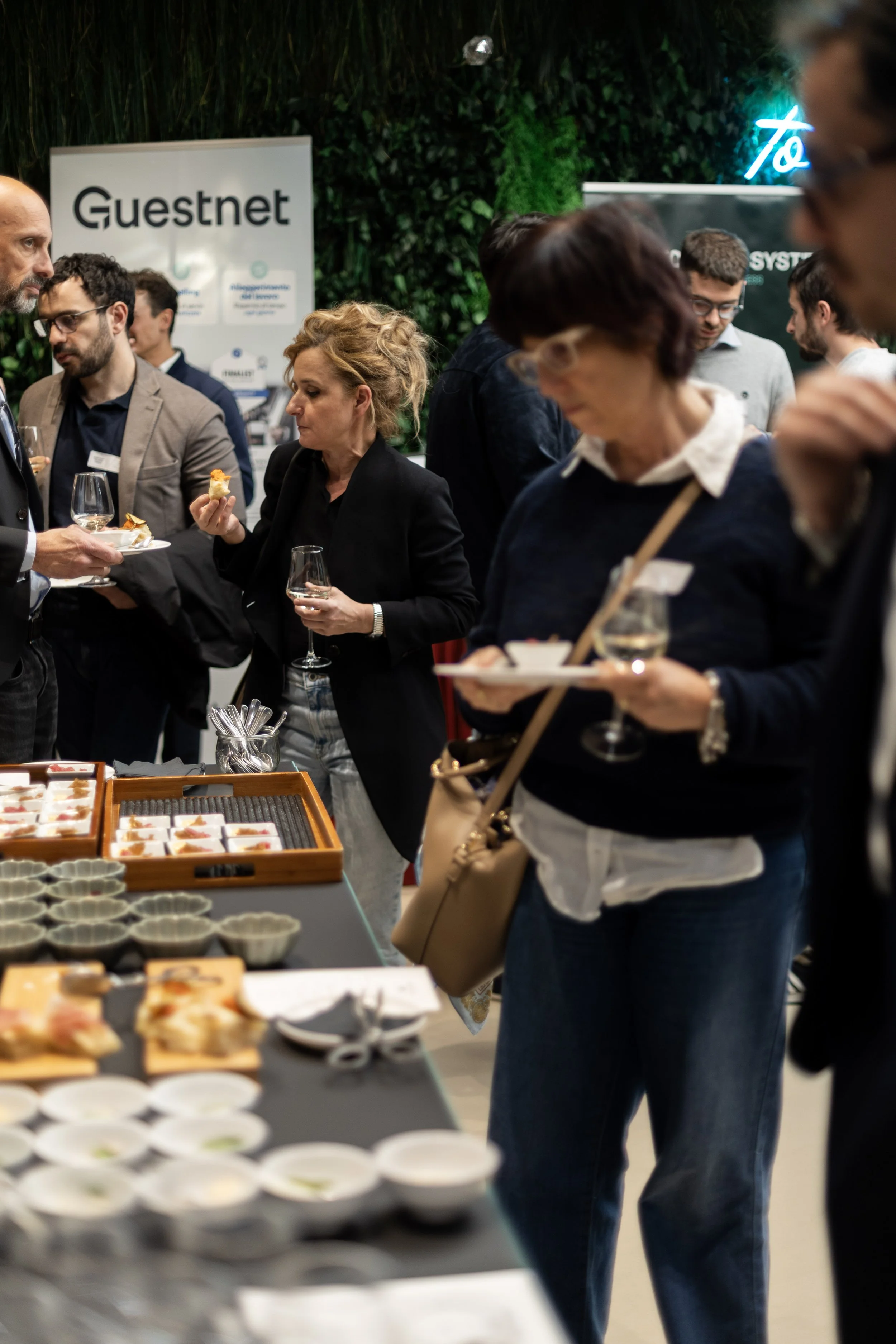
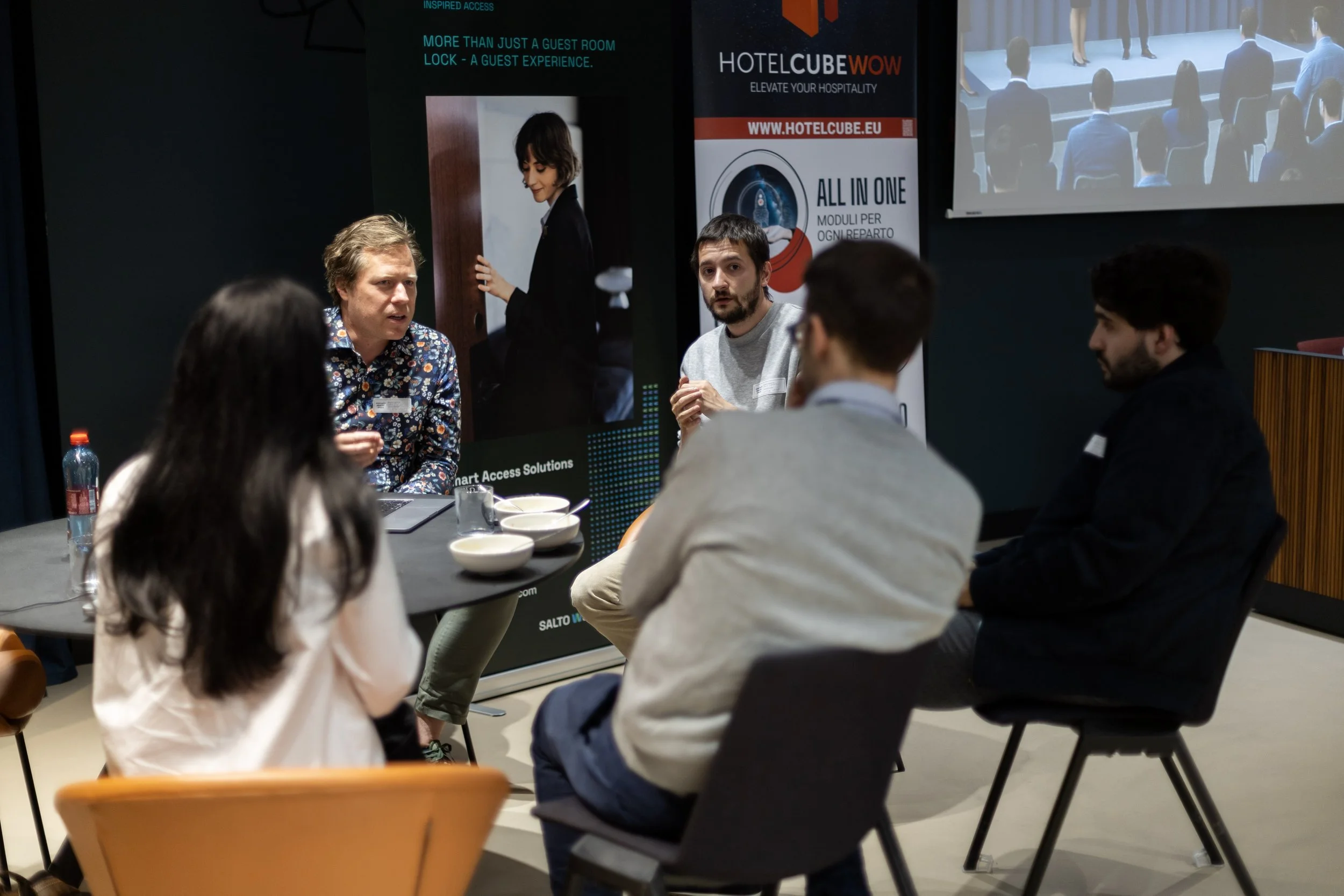
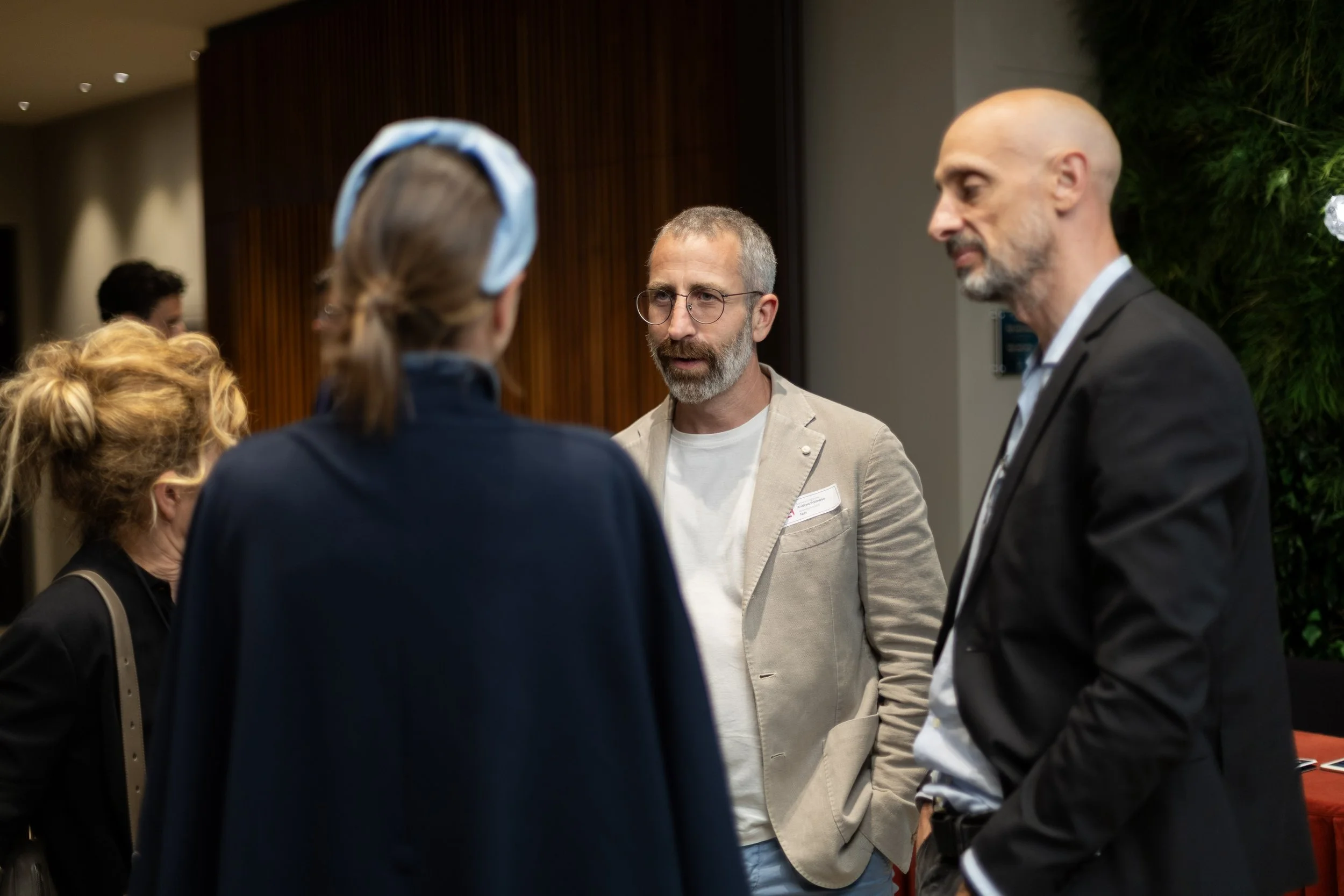
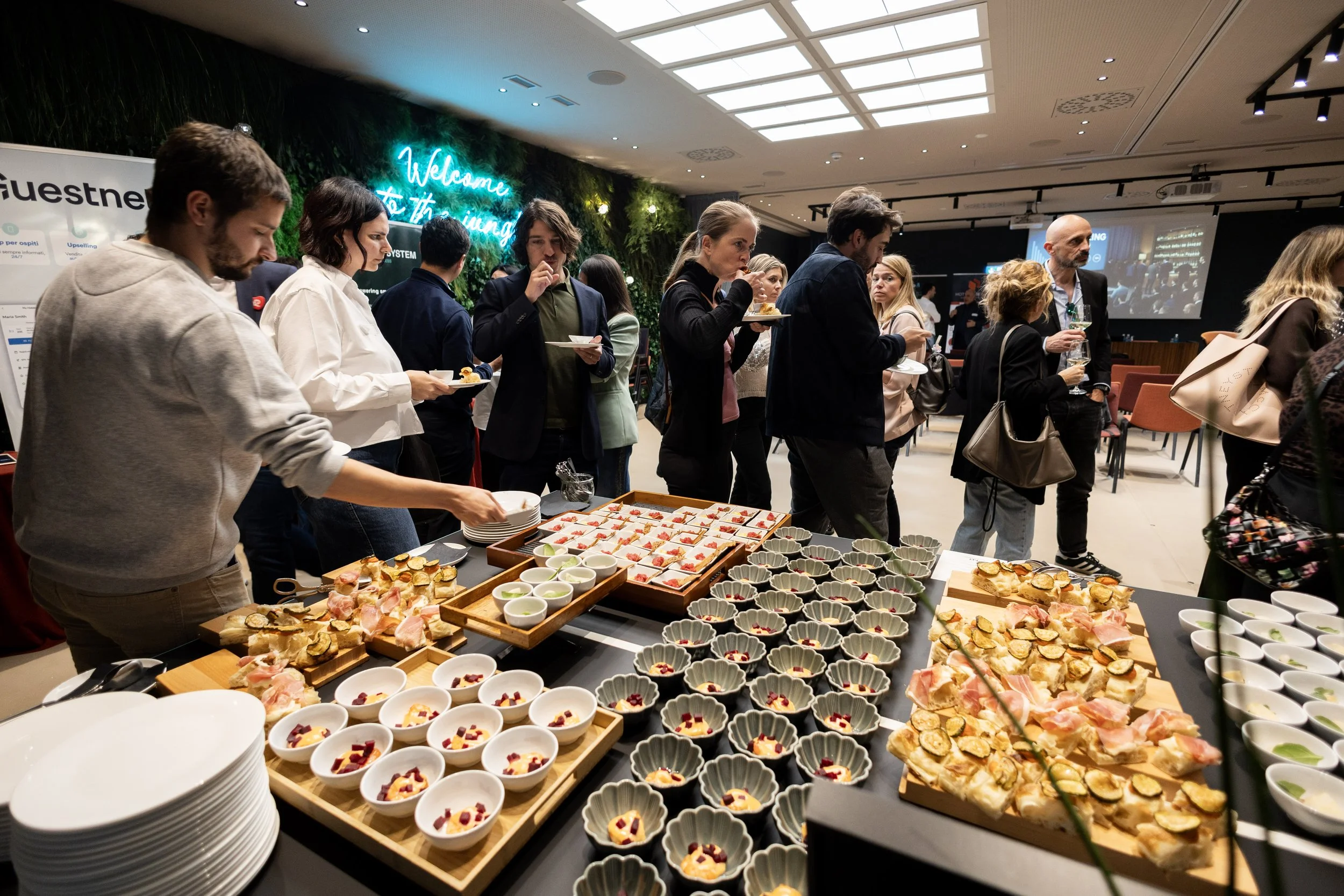
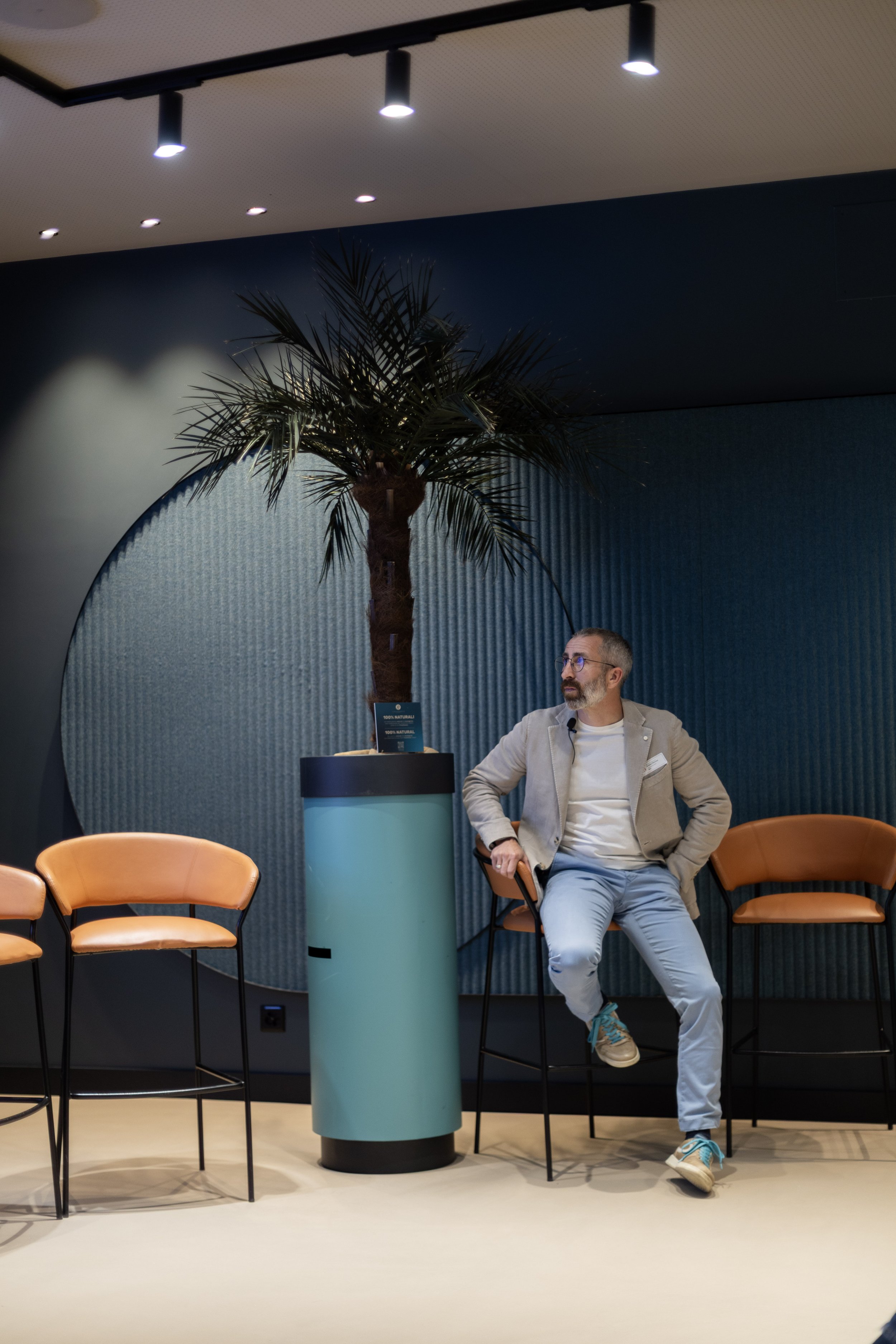
Hospitality Industry Update 2026 - May 12 - LUGANODANTE Boutique & Lifestyle Hotel
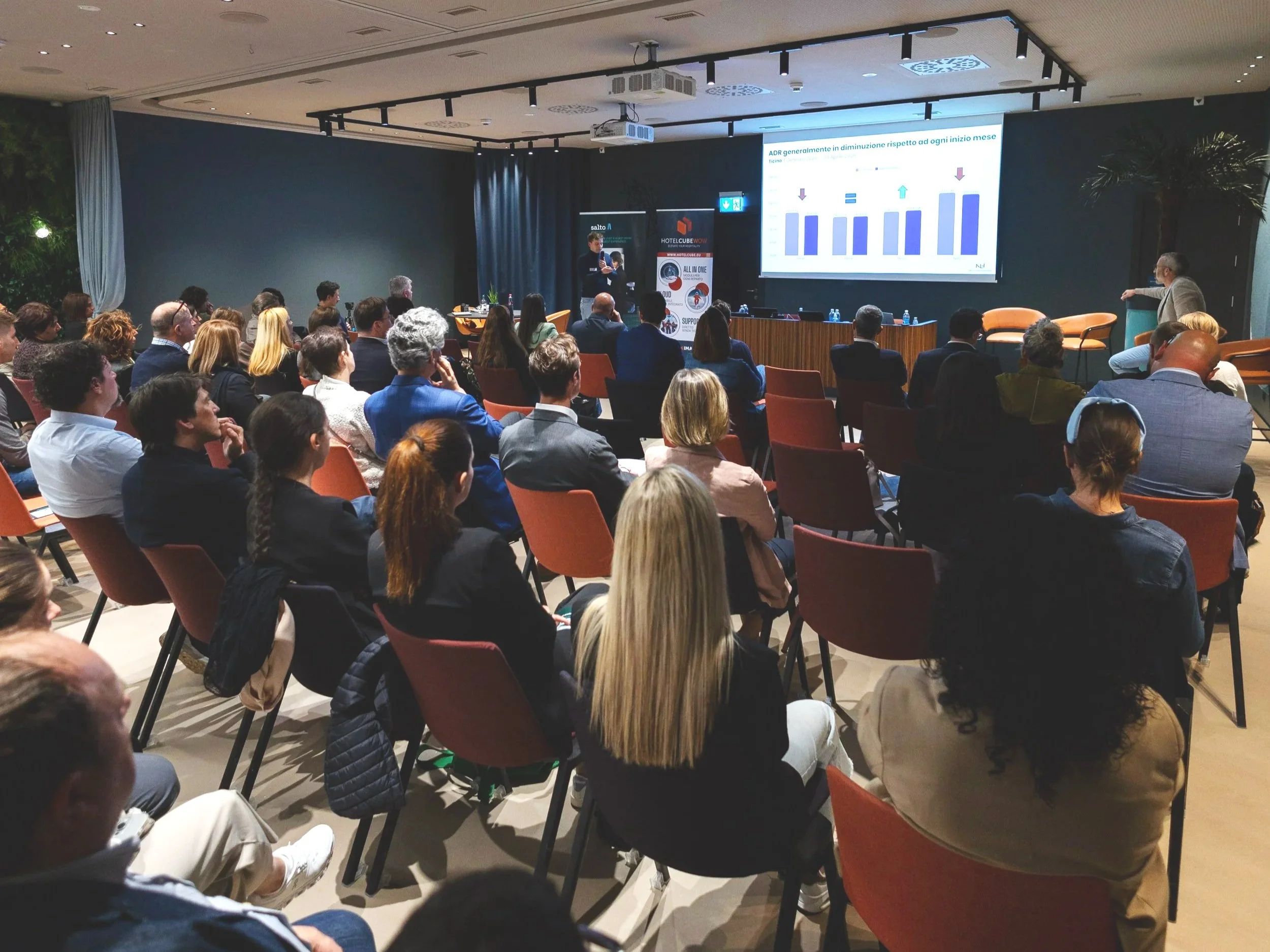
📊 Tourism season in Ticino: How is it going?
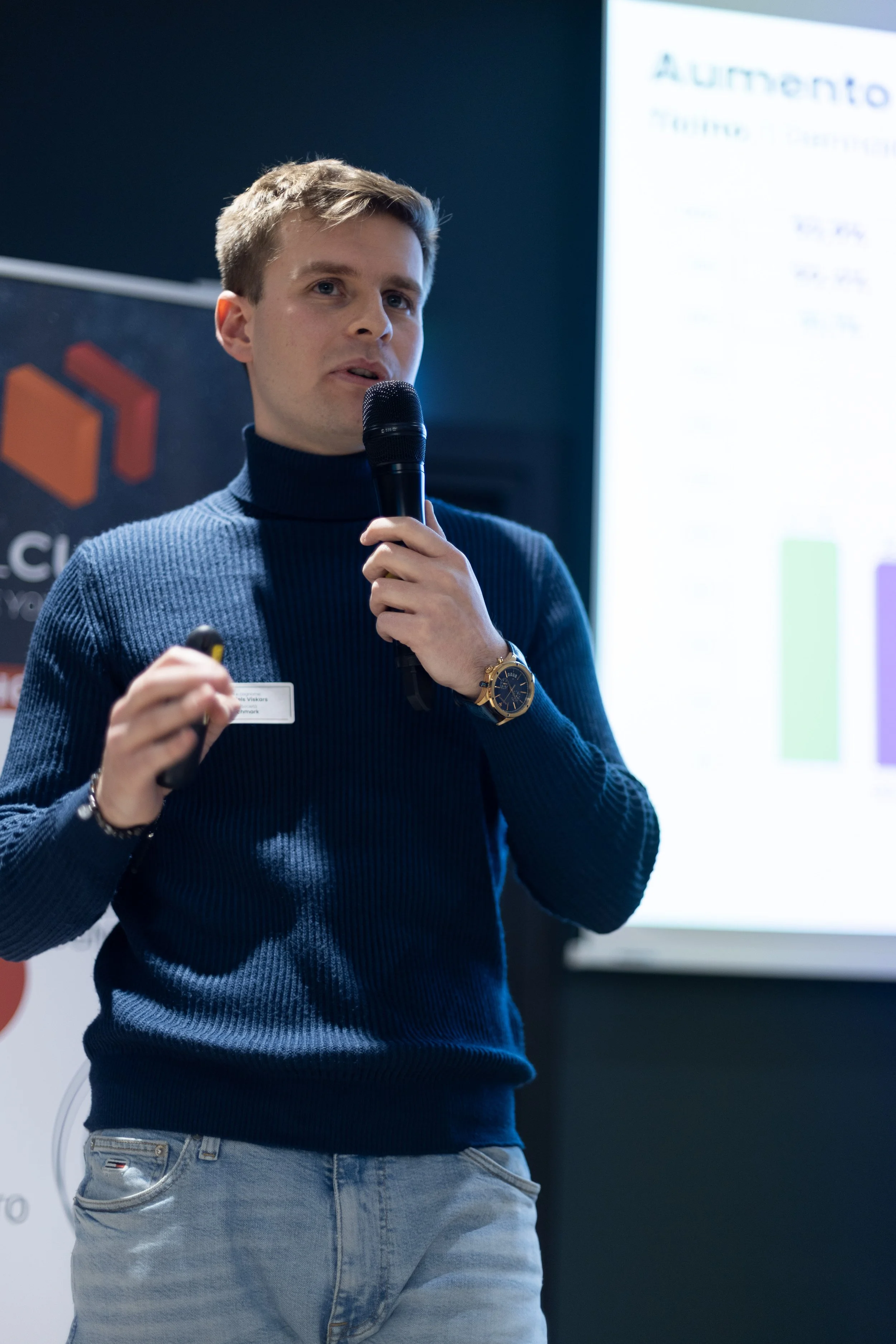
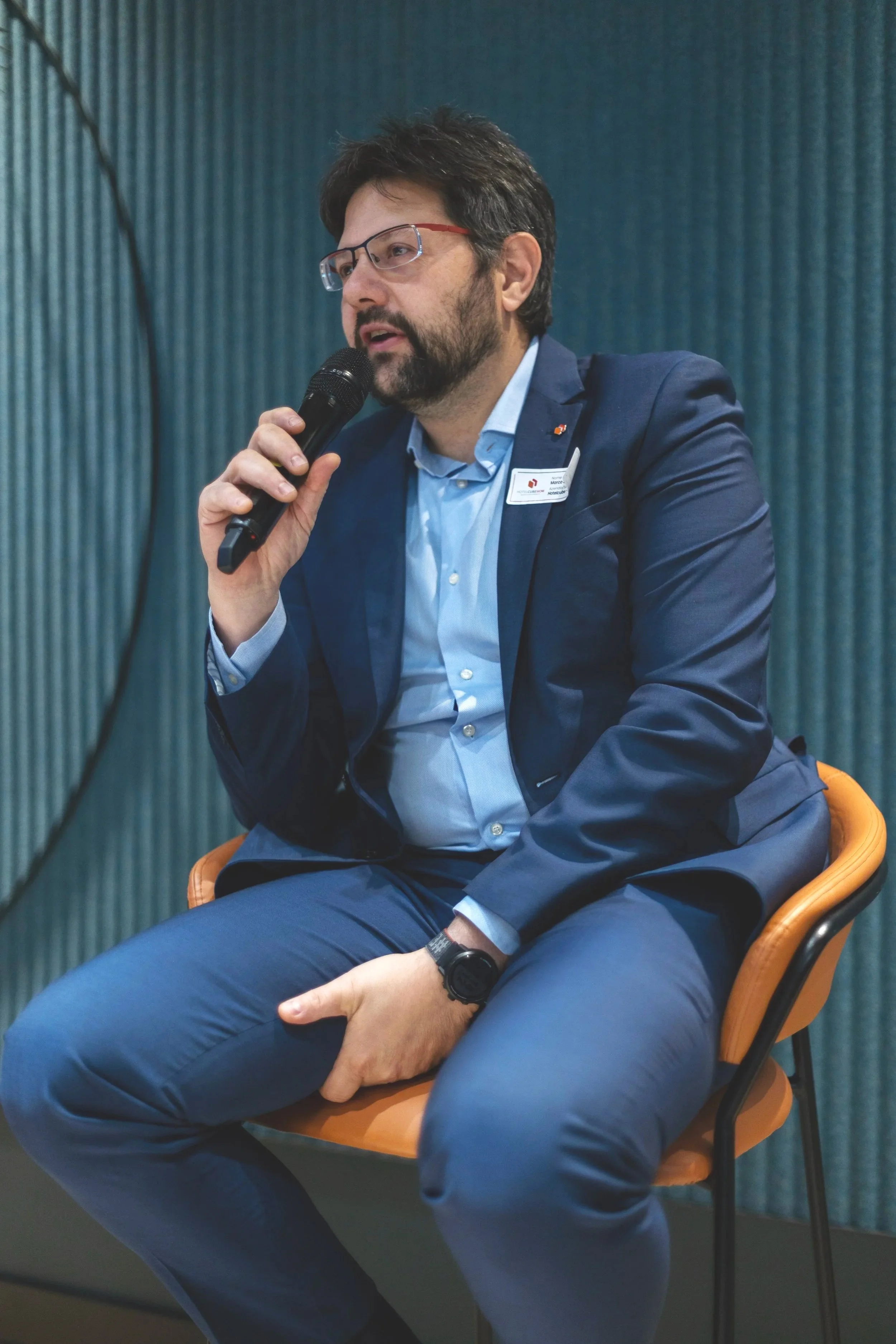
Gabriels Viskars - HBenchmark
A strong start to the year and new destinations for the summer season in Ticino
The Hospitality Industry Update provides a detailed snapshot of recent trends and the outlook for the tourism season in Ticino, highlighting a dynamic market capable of responding quickly to global changes.
Positive performance for the January–April quarter
The first quarter of the year closes with a decidedly positive outcome. The four-month period shows solid employment growth, with April standing out in particular, recording a 9-percentage-point increase compared to the previous year and a 7 -percentage-point increase compared to 2024. With average daily rates (ADR) remaining stable, RevPAR is positive across all accommodation categories, showing the most significant gains and the strongest growth in lower-tier properties.
The strong influence of the "last-minute" trend is also confirmed: on average, occupancy rises by as much as 20 percentage points between the first and last day of the month, a structural phenomenon offset by the typical reduction in rates as the date of stay approaches.
Outlook for May–October: Locarno and Ascona Lead the Way in Ticino
A look ahead to the next six months (May–October 2026) reveals an encouraging outlook: employment is already up 4 percentage points compared to last year. The cantonal sector is being driven primarily by the Locarno and Ascona regions, which are recording growth of more than 8 percentage points.
Note: Current data are still preliminary and subject to typical market fluctuations, but they already point to a clear trend for the coming months.
Target markets are shifting: a surge in Swiss and Italian customers
The most significant trend, however, stems from the shifting geographic distribution of demand, which has been heavily influenced by geopolitical developments in the Middle East. Since early March, bookings from the GCC (Gulf Cooperation Council) region and the Americas have fallen by half (-50%).
However, this decline was largely offset by nearby markets: in fact, the Swiss domestic market (+120%) and the Italian market (+170%) have experienced a veritable boom. The current picture thus highlights the region’s strong resilience as it successfully refocuses on tourism from Switzerland and the neighboring Italian Peninsula.
If you would like to learn more about H-Benchmark data, or if you are not yet connected to the platform, please contact:
Gabriels Viskars
Future trends in hospitality:
How AI and new formats are transforming the international hospitality industry
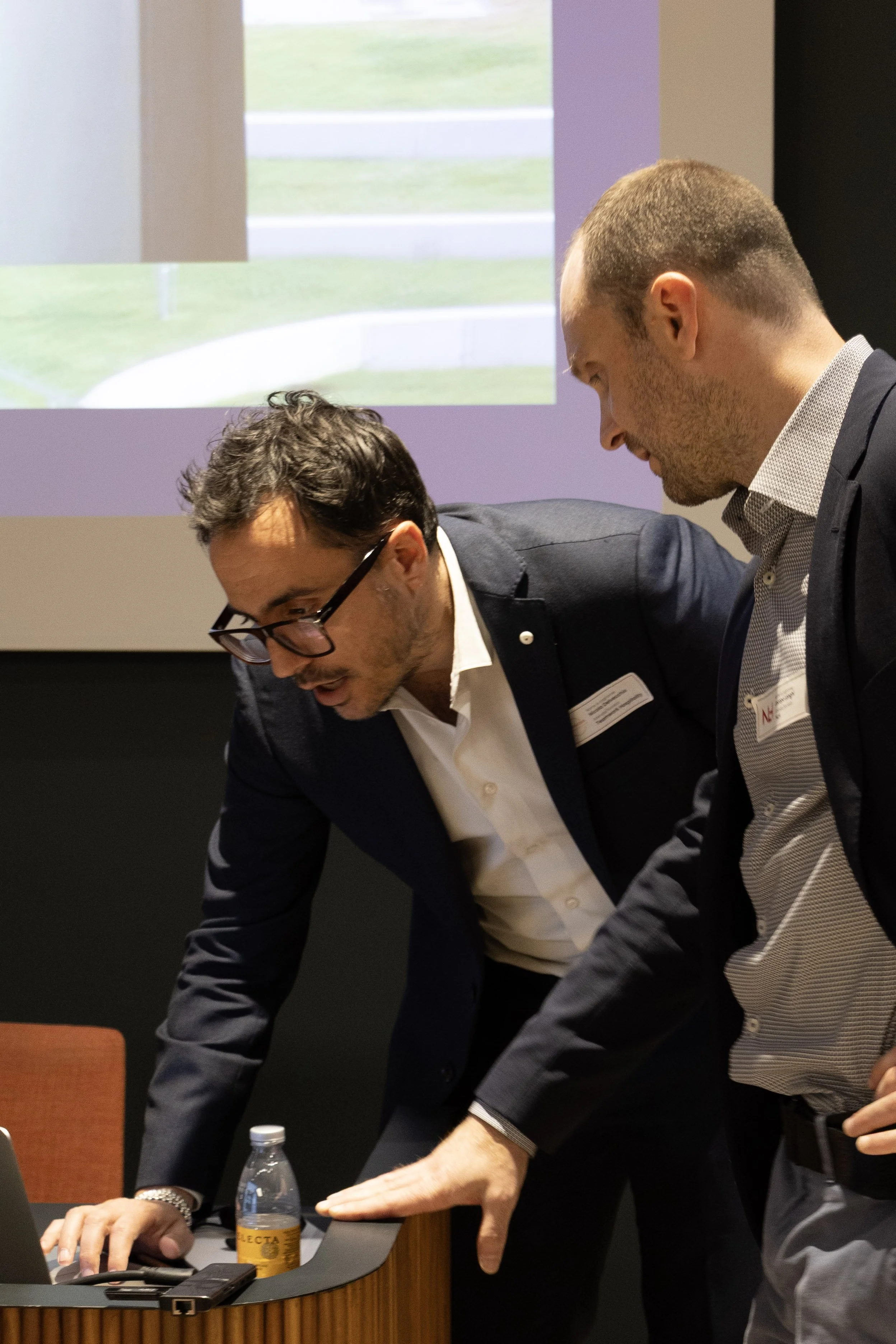
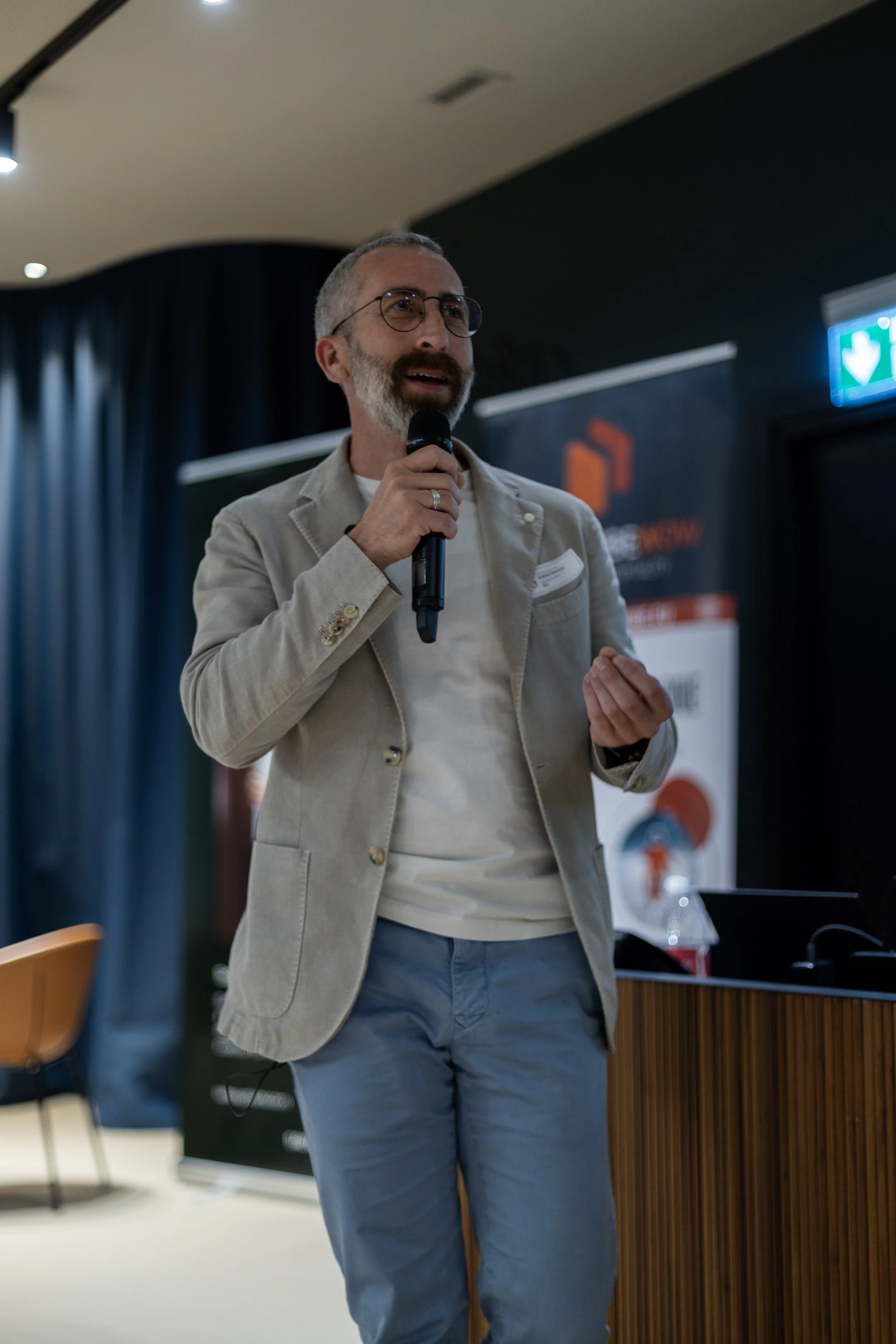
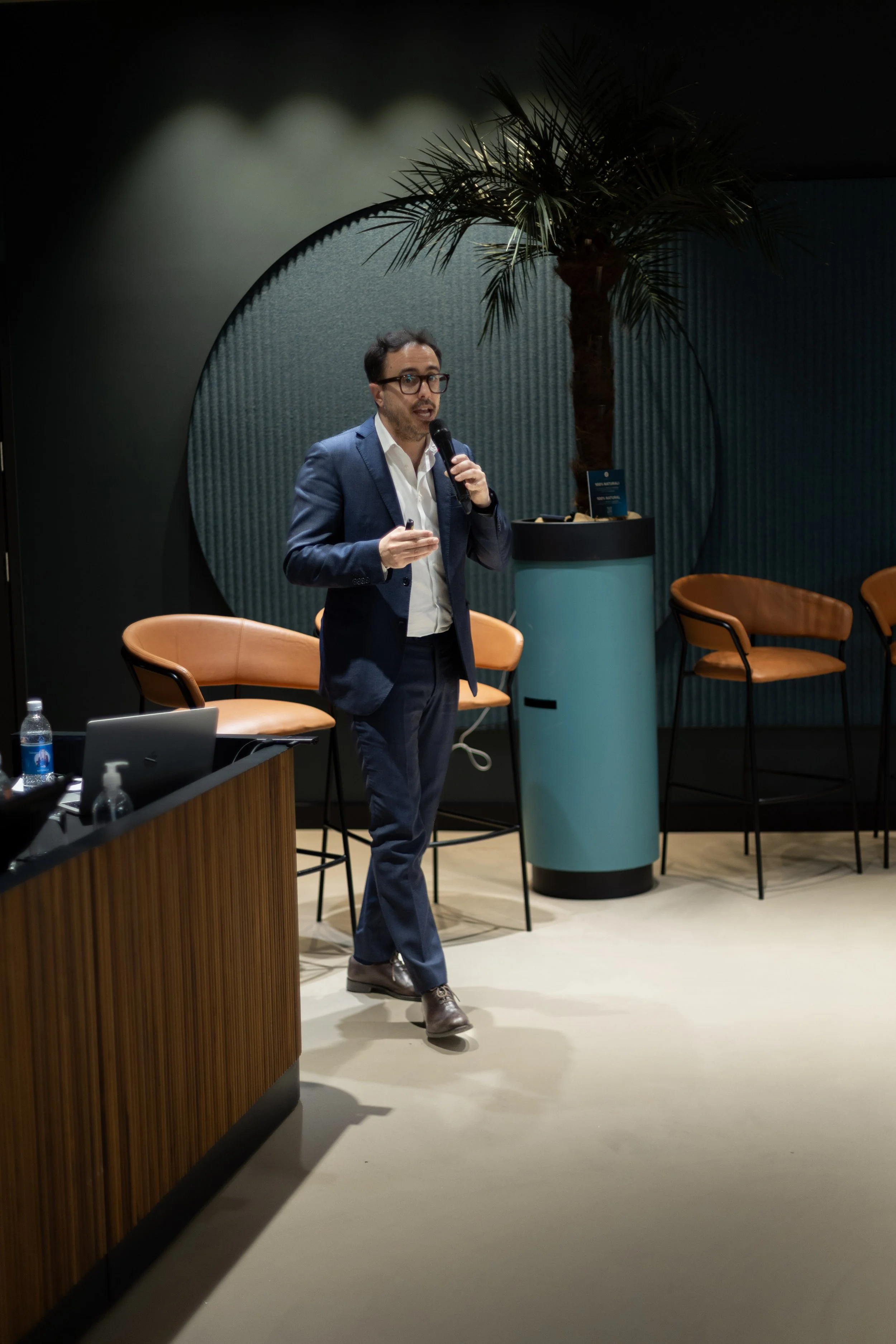
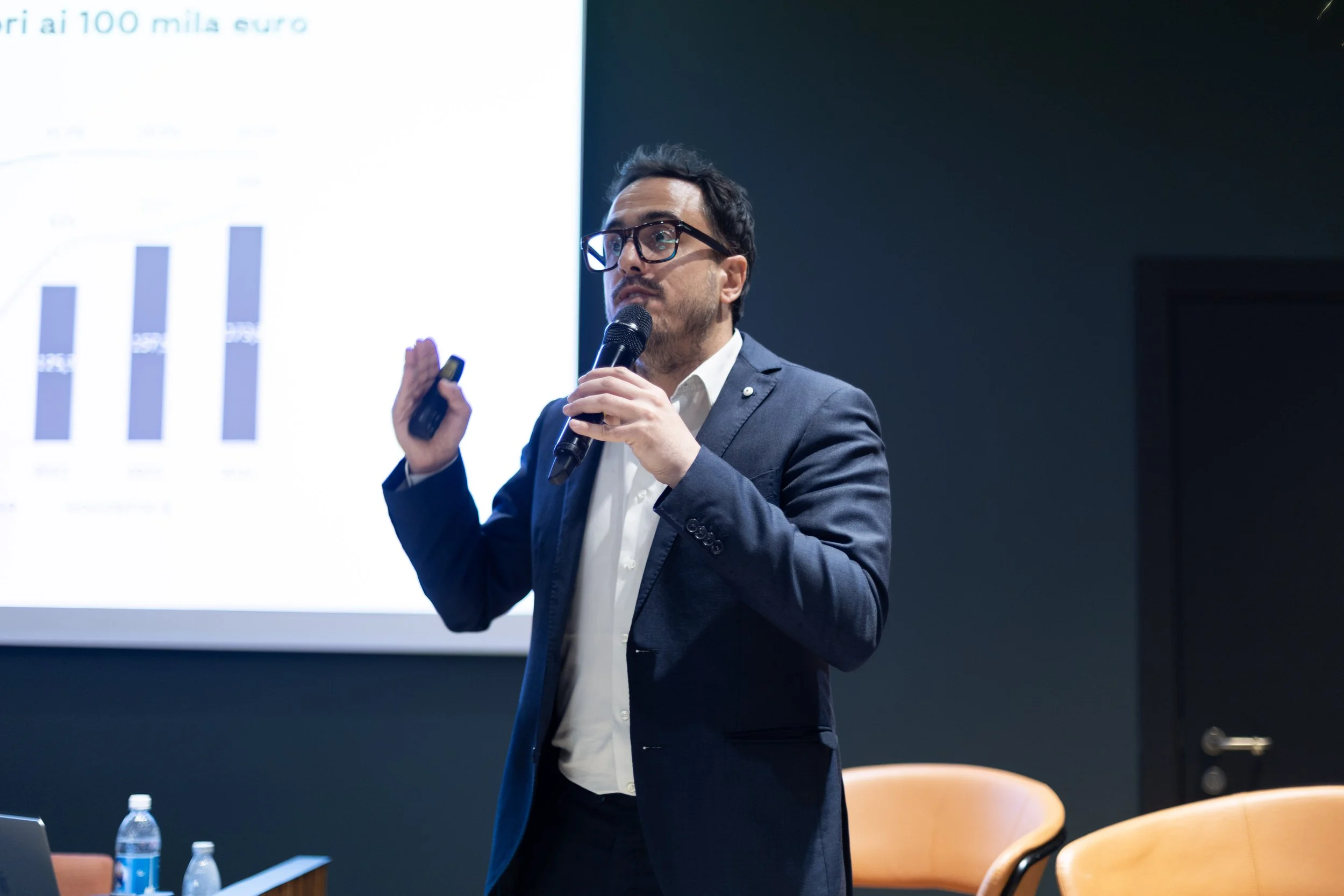
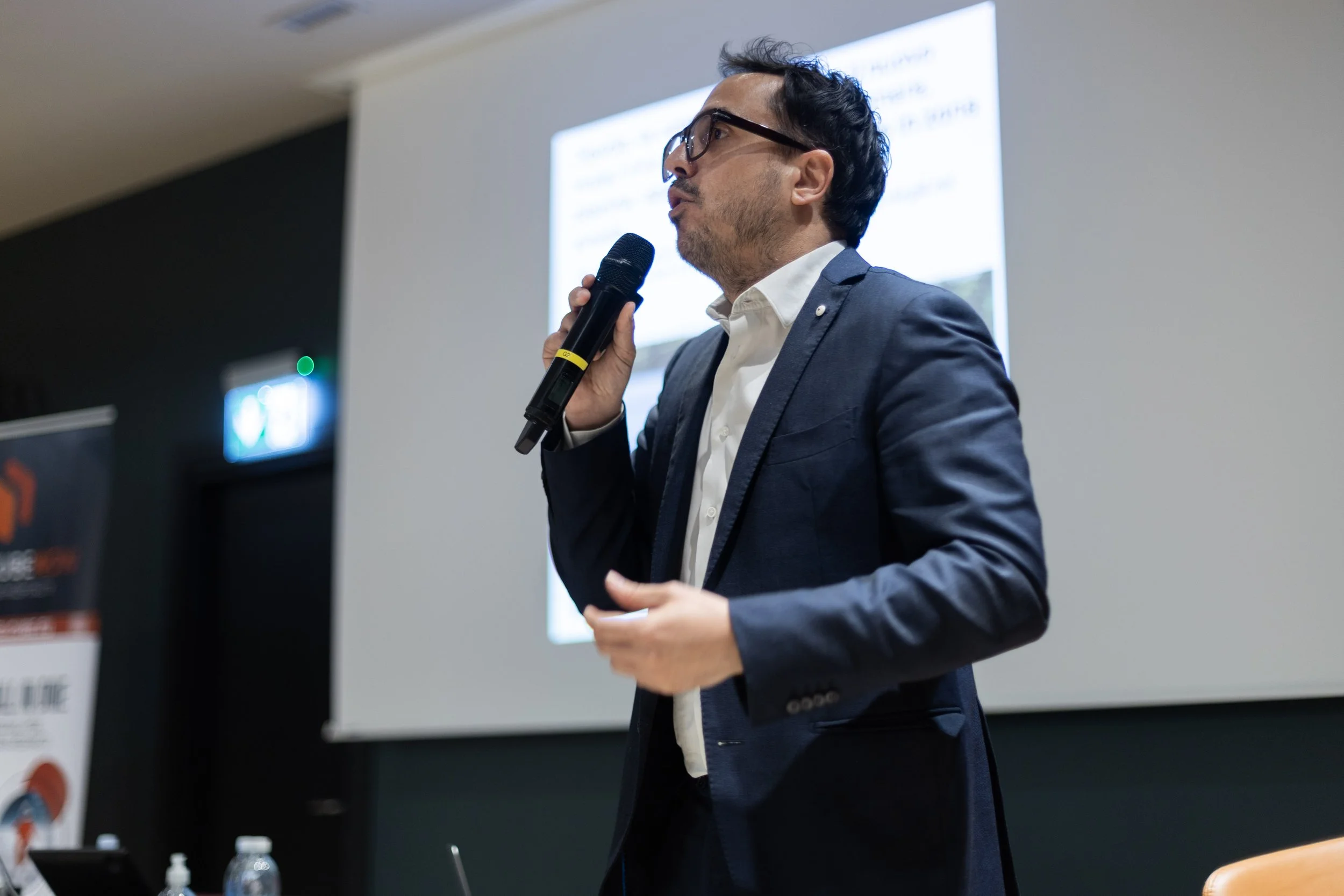
Nicola Delvecchio: Teamwork Hospitality, Hotel Voyager
We are at the dawn of a new era. An era in which emerging technologies, demographic fragmentation, and the redefinition of the concepts of economics and luxury are no longer merely topics for theorists, but concrete forces that are reshaping the boundaries of hospitality. In this landscape characterized by extreme speed and collective distraction, the hospitality sector cannot afford to be a mere spectator; it must embrace change with a new, clear-eyed awareness.
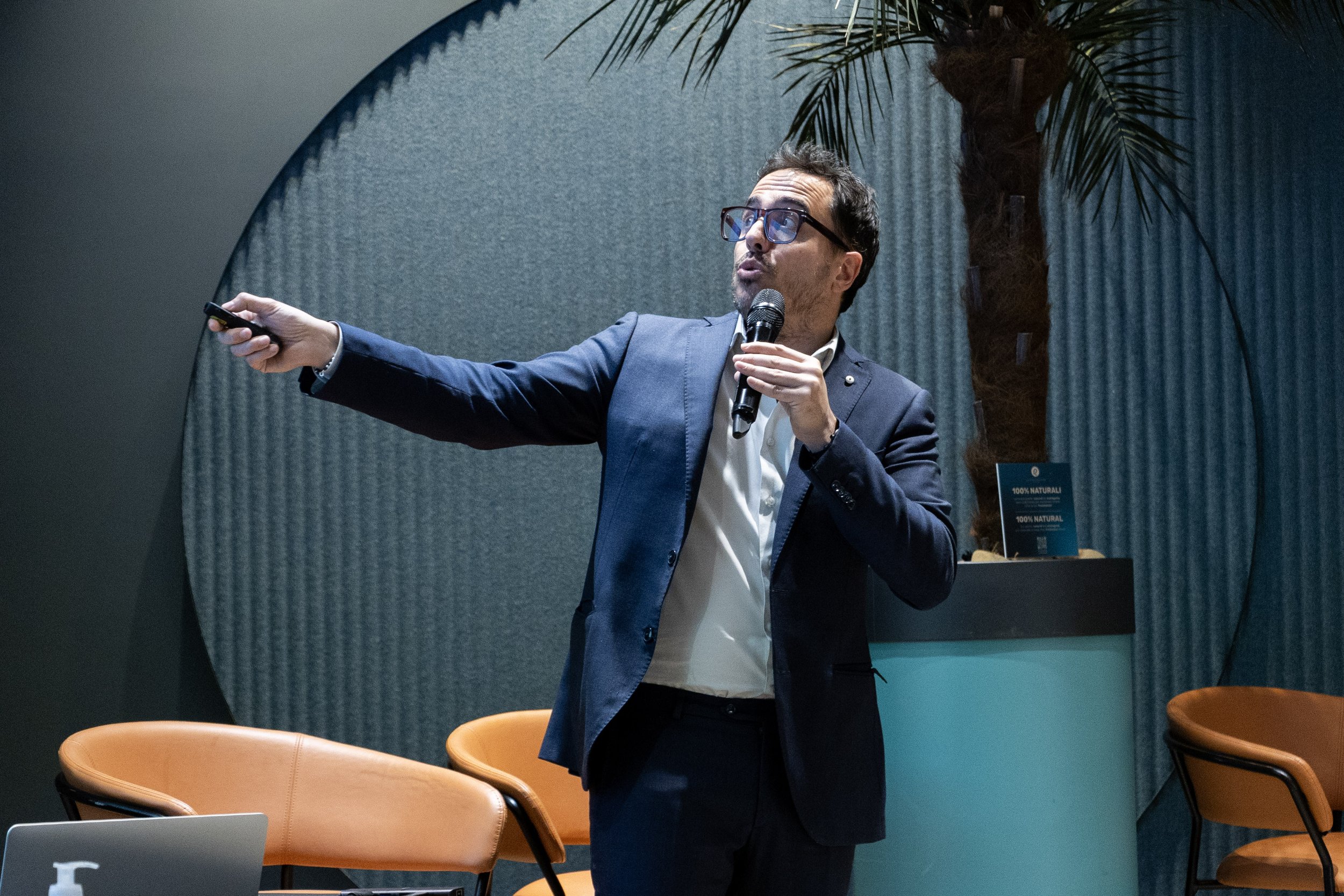
During his presentation, Nicola Delvecchio of Teamwork Hospitality clearly outlined the drivers of a profound transformation, driven by forces that are already blurring the traditional boundaries of business. More than just a review of statistics, his analysis serves as a call to action, urging us not to risk being left behind tomorrow.
With the concept of luxury becoming increasingly inflated, in a polarized market where the economy segment is evolving toward hybrid forms of affordable lifestyle and the era of ultra-luxury is dawning, traditional frameworks are crumbling. Added to this is the revolution in artificial intelligence engines, which are transforming from simple search tools into response engines capable of interpreting the guest’s true identity.
In this context, characterized by a level of fluidity never seen before, where the hotel is transforming from a physical space into a provider of fluid services, the real challenge is not to chase after the perfect technology, but to rediscover the essence of hospitality. Artificial intelligence will automate processes, making the stay technically flawless, but it will always be the human touch that makes it unforgettable. The more the process becomes digital, the more human the interaction must become.
Today, it’s not necessarily about coming up with the next revolutionary service. Being in tune with the times, observing with curiosity, and having the courage to challenge the old ways of the front desk is, in itself, a form of innovation.
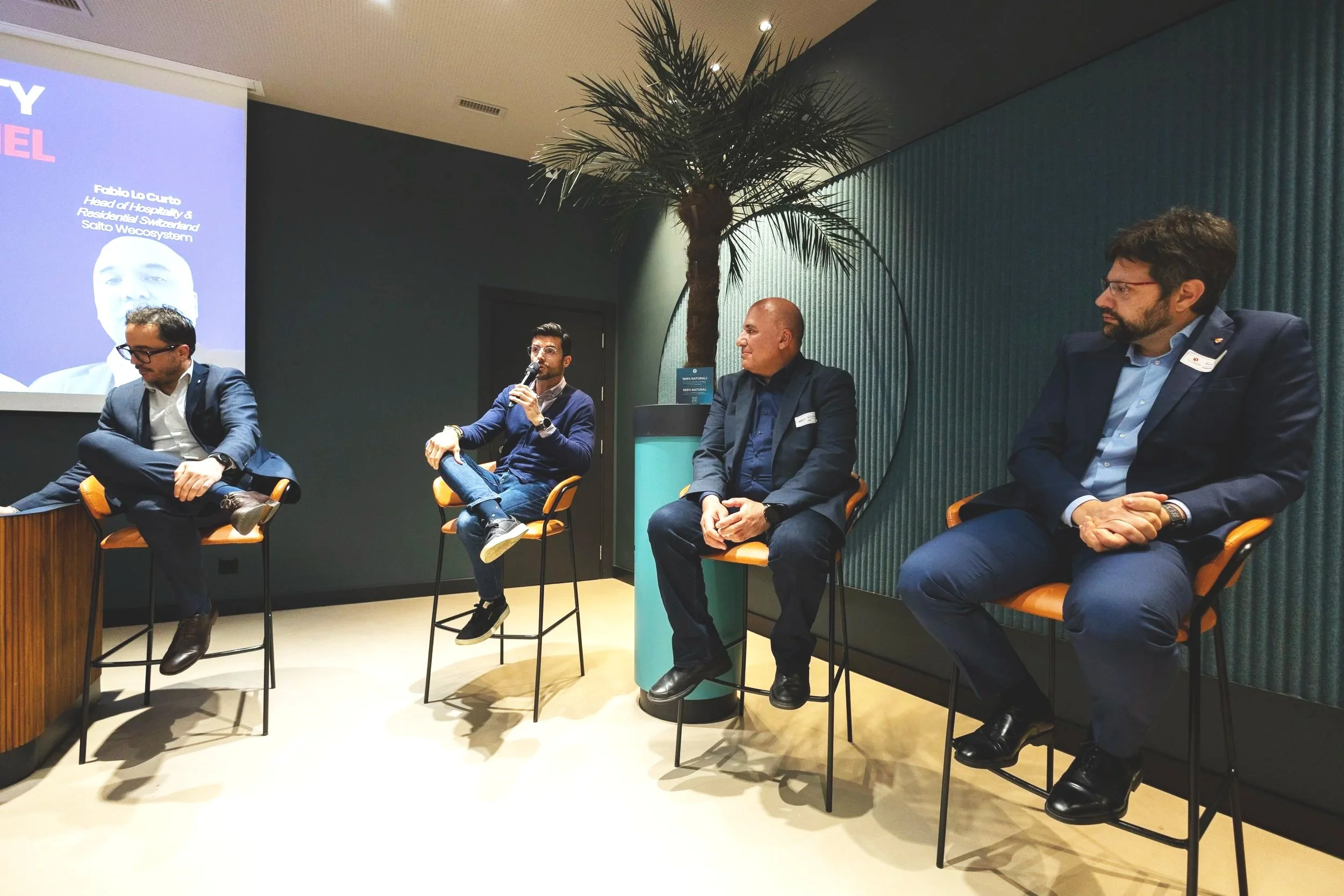
Operational return on investment, automation, and strategic data management are reshaping the future of the hospitality industry. Today, the most tangible return on technology investment is not a purely financial metric, but time: rate optimization and the automation of repetitive tasks free up valuable resources. The most common mistake, however, remains the impulsive purchase of disconnected software, which is often used only minimally due to a lack of team training or a proper mapping of internal processes.
When it comes to distribution, the near future belongs to AI agents. Traditional search based on filters and keywords will give way to autonomous virtual assistants that will interact directly with hotel systems. In this scenario, hotels will need to learn to interpret predictive and behavioral data, focusing on customer lifetime value rather than relying solely on historical metrics such as occupancy and RevPAR.
The real challenge is ensuring that digital data translates into real, coordinated action within the organization, eliminating operational bottlenecks and outdated bureaucratic procedures at the front desk. Ultimately, technology is a means, never an end: automating processes ensures a technically flawless stay, but the ultimate goal remains freeing up staff to enhance the guest experience. The more the process becomes digital, the more the interaction must become human.
The entire NLH Team
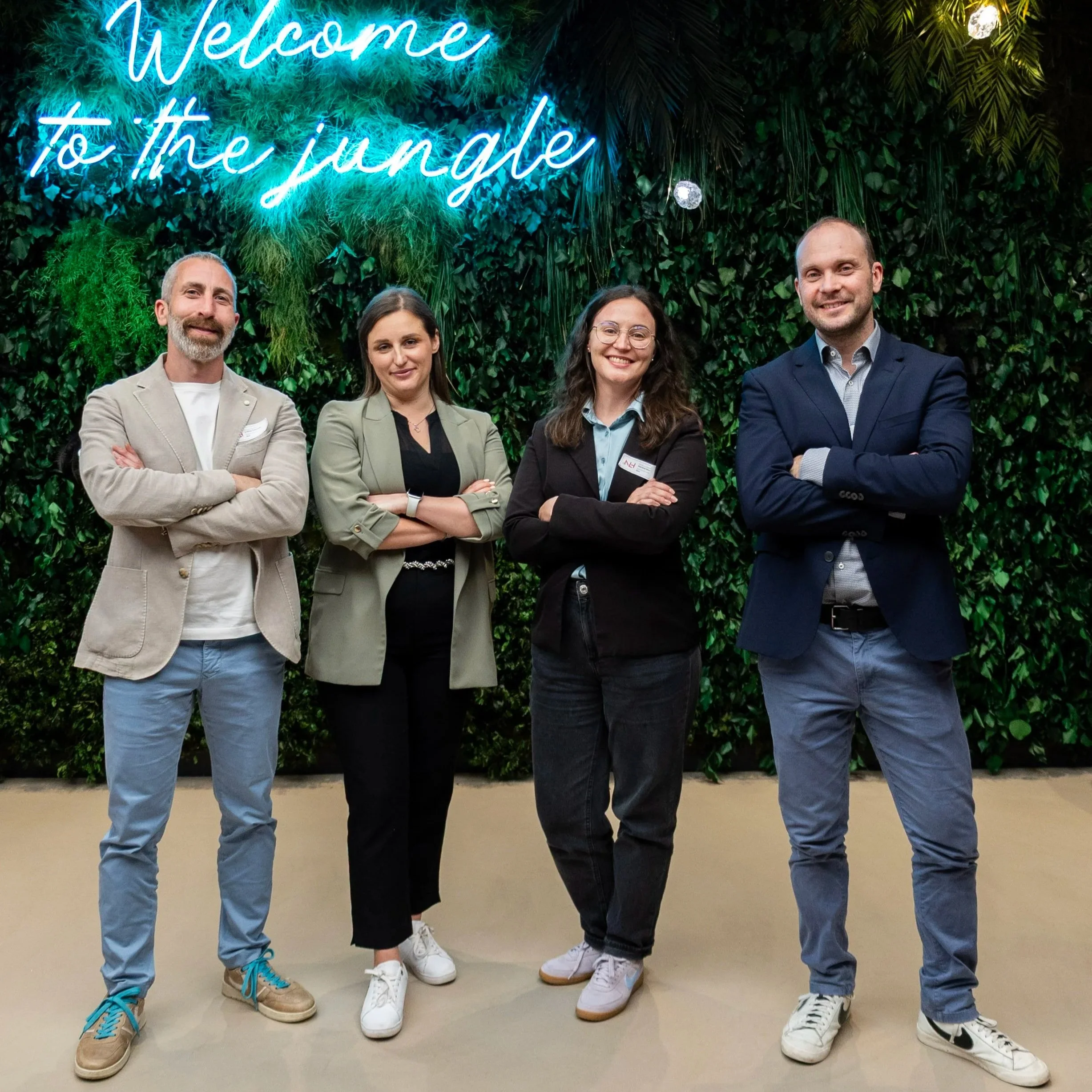
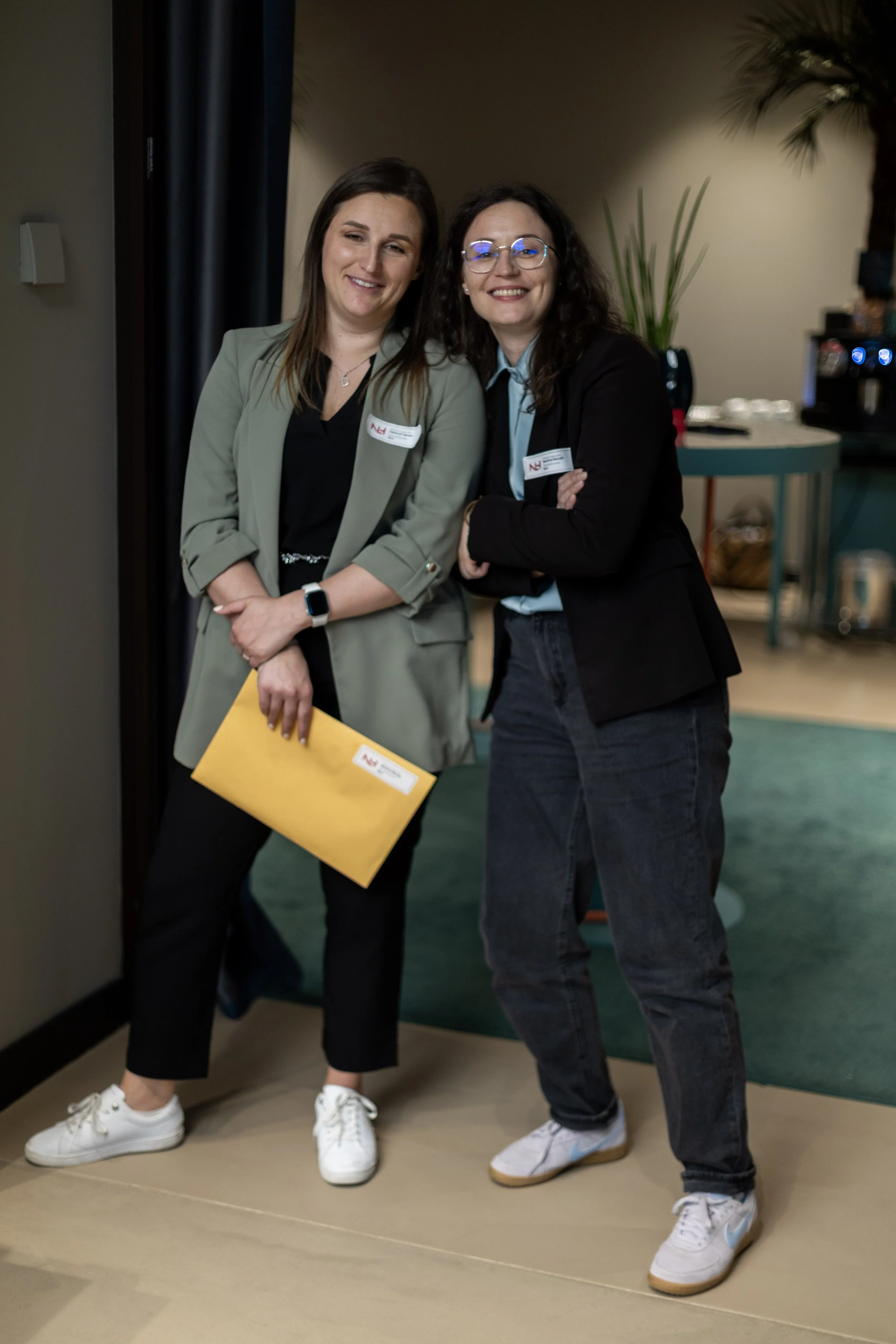
From left: Andrea Palmoso, Deborah Mazza, Martina Moralli, Jacopo Longhi
What we do
We support hospitality facilities, DMOs and real estate operators in digital transformation and strategic choices, with the aim of improving their competitiveness and enhancing the value of their investments. We apply an approach of revenue marketing that integrates marketing, distribution and revenue management and foster sustainable revenue growth aligned with business objectives.
Some of the activities we offer:
Conversion-oriented digital campaigns
Multilingual marketing newsletter
Google Ads & Metasearch (CPC)
Social Media Management
Web sites for small and medium-sized facilities
Coordinated image and optimization of online presence
Setting rates and dynamic pricing strategies
Management of inventory and allotment across different channels
Yield management to maximize employment and ADRs
Hotel technology
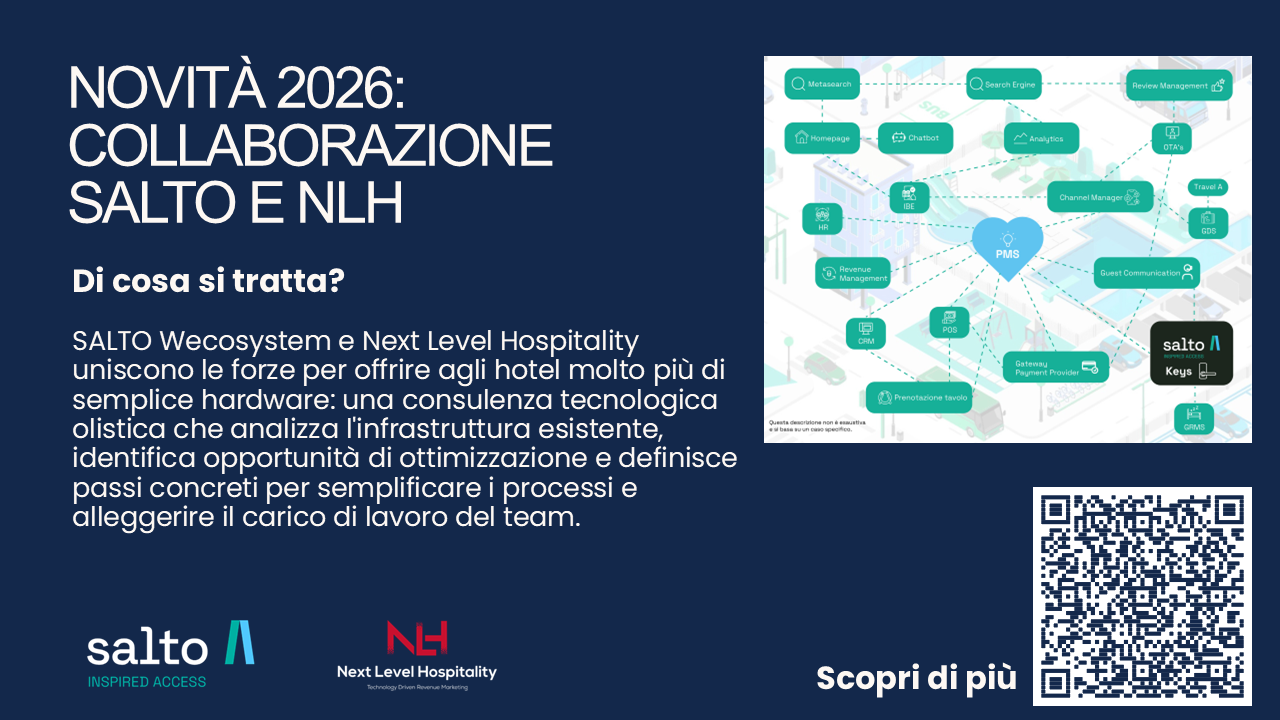
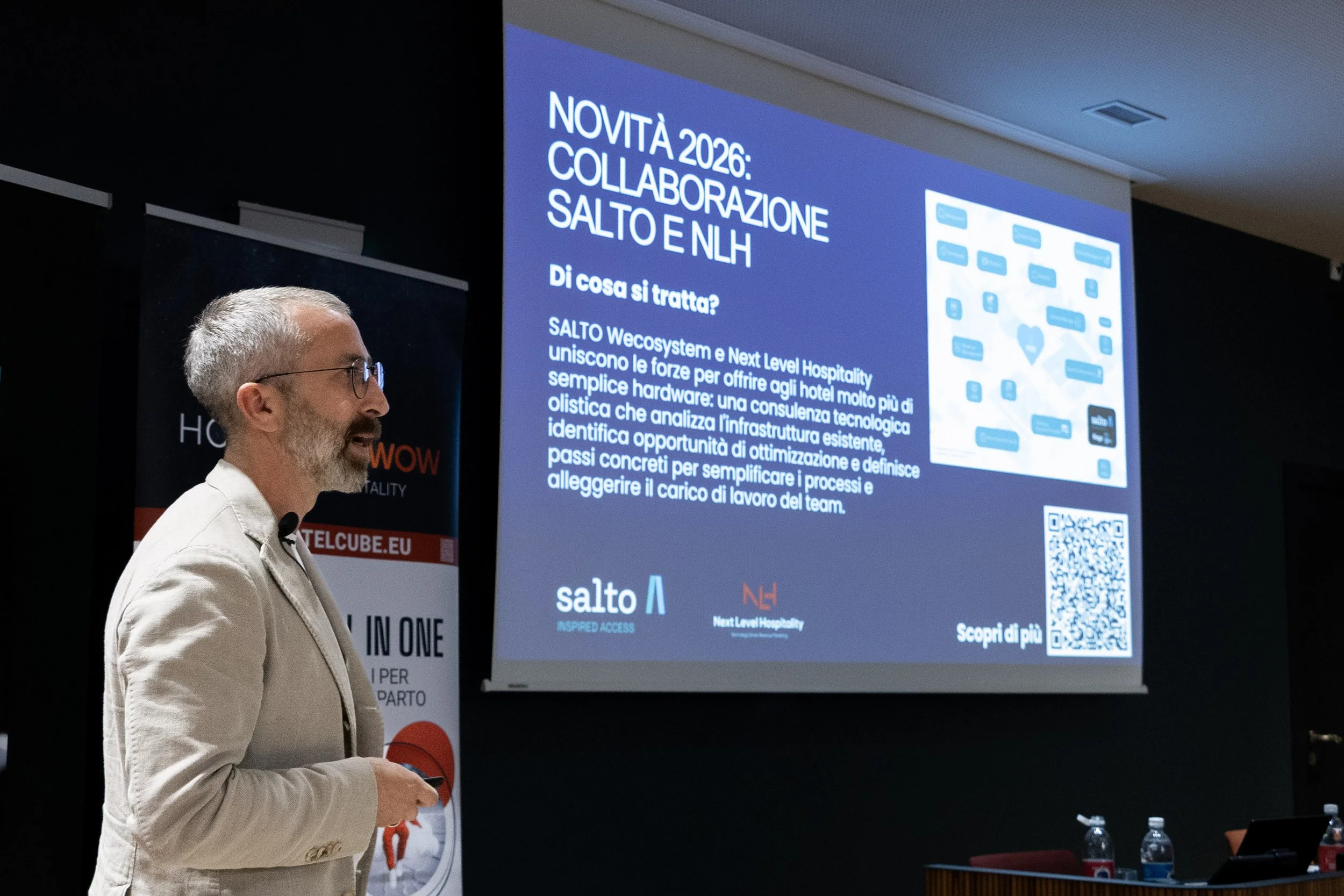
Our technology consulting supports our clients in optimizing operations: process automation, online sales and distribution, dynamic price management, guest communication, and review management. We accompany in choosing the most effective solutions, ensuring integration between systems for modern and efficient hospitality.
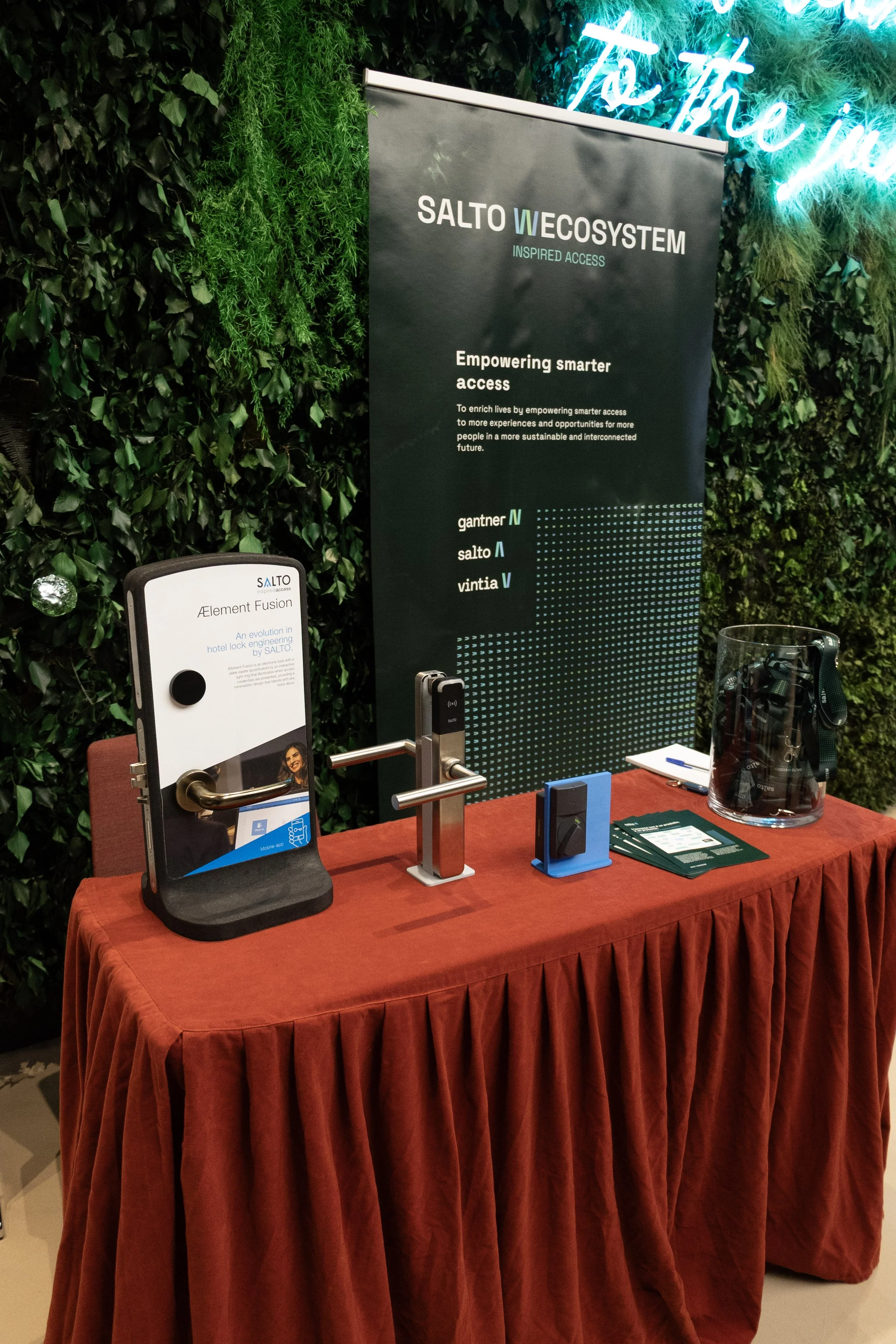
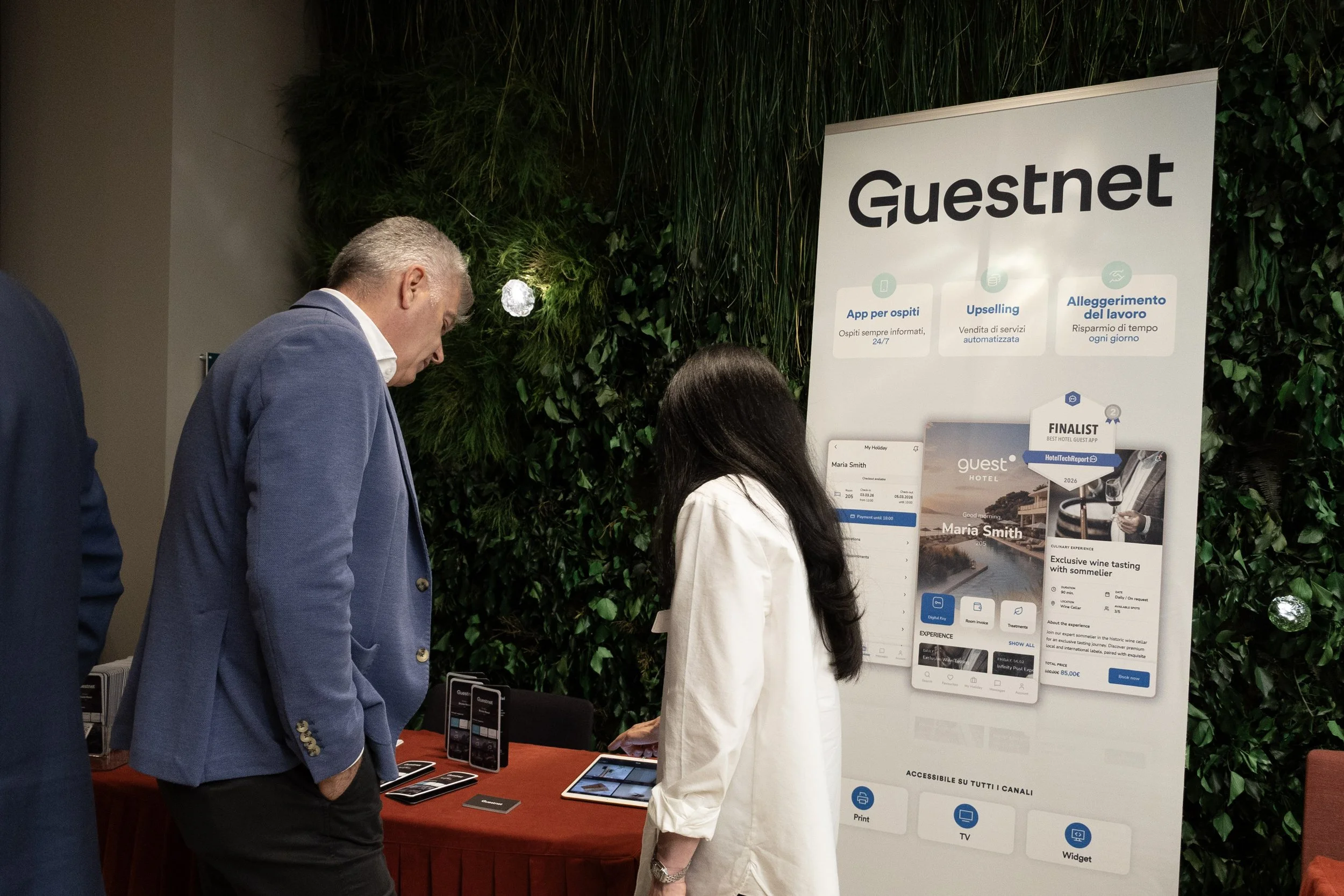
We are also direct resellers of the following technologies: